Anúncios
Imagine a future where your home runs on clean, abundant energy, your utility bills are dramatically lower, and you’re contributing to a healthier planet. This isn’t a far-off dream but an increasingly tangible reality for households worldwide. Renewable energy, once considered a niche or expensive option, is rapidly becoming a mainstream solution for powering our lives. From the sun shining on your roof to the wind sweeping across open fields, naturally replenishing sources offer a powerful alternative to finite fossil fuels.
The shift towards sustainable power is driven by more than just environmental consciousness. It’s about achieving energy independence, stabilizing costs in an unpredictable global market, and fostering new economic opportunities. As technology advances and costs continue to fall, more individuals and communities are discovering that embracing renewables is not just an ethical choice, but a smart financial and practical one. The perception that these solutions are complex or out of reach for the average person is quickly fading, replaced by accessible pathways for adoption.
Anúncios
This article will guide you through the practical steps to integrate renewable energy into your life. We’ll explore the basics of different energy sources, help you assess your current energy footprint, and detail residential options like rooftop solar and community programs. we’ll uncover the wealth of financial incentives available and address common misconceptions, empowering you to make informed decisions on your journey to a greener, more self-sufficient future.
Understanding Renewable Energy: The Basics for Beginners
Imagine a world where your power bill shrinks, and the air you breathe is noticeably cleaner. This isn’t a distant fantasy; it’s the promise of renewable energy. These energy sources replenish naturally, offering a clear alternative to traditional fossil fuels that are finite and contribute to pollution. What most people miss is how accessible these options are becoming for everyday homes and businesses.
Anúncios
Why Renewable Energy Matters: Beyond Environmental Benefits
While environmental protection is a huge driver, the benefits of embracing sustainable power extend far beyond just clean air. Energy independence, for instance, means less reliance on volatile global markets for fuel. This stability can lead to predictable energy costs for consumers, a significant factor when planning household budgets. According to the International Renewable Energy Agency (IRENA), global renewable energy generation capacity increased by 9.6% in a recent year, demonstrating a consistent growth trajectory. Switching to renewables also creates new economic opportunities, fostering job growth in manufacturing, installation, and research. Think about the technicians needed to maintain solar panels or wind turbines—these are skilled roles that contribute to local economies. decentralizing power generation — moving away from large, central power plants — makes energy grids more resilient against disruptions, a critical consideration for modern infrastructure. This shift is much like how diversifying your digital health technology makes your personal wellness strategy more solid.
Key Renewable Energy Sources: A Quick Overview
So, what are the main players in the renewable energy field? Several sources stand out, each with its own advantages and drawbacks. Understanding these can help you decide which might be best suited for your needs. * Solar Energy: This involves converting sunlight directly into electricity using photovoltaic panels or concentrating mirrors to heat fluid. It’s incredibly versatile and can be installed on rooftops or in large-scale farms.
* Wind Energy: Utilizing the kinetic energy of moving air, wind turbines generate electricity. These are often seen in large wind farms, but smaller turbines can also power individual properties.
* Hydroelectric Power: Dams harness the force of flowing water to spin turbines, producing electricity. This is a well-established technology, providing significant baseload power in many regions.
* Geothermal Energy: This taps into the Earth’s internal heat. Geothermal power plants use steam from underground reservoirs to drive turbines, while smaller systems can provide heating and cooling for buildings.
* Biomass Energy: Derived from organic matter like agricultural waste, wood, or even municipal solid waste, biomass can be burned to produce heat or electricity, or converted into biofuels. Each of these sources plays a specific role, much like different tools in a beginner’s playbook for robotics and automation. While solar panels might be perfect for a sunny suburban home, a large-scale industrial operation might find hydroelectric power more suitable. The underrated factor here is often the local geography and climate, which heavily influence the viability and efficiency of each option. Here’s a quick comparison of the most common renewable energy types: | Type | Pros | Cons |
| :———- | :—————————————– | :——————————————- |
| Solar | Abundant, low maintenance, flexible scale | Intermittent, requires space, initial cost |
| Wind | Clean, efficient for large scale | Intermittent, visual impact, noise concerns |
| Hydro | Reliable, controllable, long lifespan | Environmental impact on ecosystems, site-specific |
| Geothermal | Consistent, small footprint | Geographically limited, drilling costs |
| Biomass | Uses waste, dispatchable | Air pollution from burning, land use concerns | Ultimately, the choice depends on specific conditions and priorities. The ongoing evolution of these technologies suggests that what might seem like a limitation today could be easily overcome tomorrow.
Assessing Your Energy Footprint: Where to Begin Your Renewable Journey
Before diving into solar panels or wind turbines, understanding your current energy usage is necessary. What most people miss is how much electricity they actually consume daily. A home energy audit helps pinpoint where your power goes, much like balancing a checkbook reveals spending habits. To begin, grab your electricity bills from the past year. Look for patterns: are certain months significantly higher? This often points to seasonal appliance use, such as air conditioning in summer or heating in winter. According to data compiled by the U.S. Energy Information Administration, residential electricity consumption varies by as much as 30% between peak and off-peak seasons in many regions. A simple DIY energy assessment can reveal surprising culprits. Start by walking through your home, noting all major appliances and electronics. Are older refrigerators still running? Do lights remain on in unoccupied rooms? I suspect that many homes could cut their energy consumption by 10-15% just by addressing these common oversights. Consider this checklist for your own audit:
- Lighting: How many incandescent bulbs are still in use? Swapping them for LEDs can make a big difference.
- Appliances: Check the age of your refrigerator, dishwasher, and washing machine. Older models are often less efficient.
- Electronics: Unplug chargers and devices when not in use; they can draw “phantom” power. This practice is also important for /digital-fortress-cybersecurity-privacy-guide.
- Insulation: Feel for drafts around windows and doors; poor insulation can lead to significant heat loss or gain.
- Water Heating: Note your water heater’s temperature setting and age. Hot water can be a major energy consumer.
Identifying these areas offers practical steps toward reducing your overall demand. This groundwork makes any future investment in renewable energy far more efficient and cost-effective.
The cost to install solar has dropped by over 70% in the last decade, making it a surprisingly affordable upgrade for many households.
— Solar Energy Industries Association (SEIA)
| Type | Pros | Cons |
|---|---|---|
| Solar | Abundant, low maintenance, flexible scale | Intermittent, requires space, initial cost |
| Wind | Clean, efficient for large scale | Intermittent, visual impact, noise concerns |
| Hydro | Reliable, controllable, long lifespan | Environmental impact on ecosystems, site-specific |
| Geothermal | Consistent, small footprint | Geographically limited, drilling costs |
| Biomass | Uses waste, dispatchable | Air pollution from burning, land use concerns |
Practical Steps for Residential Renewable Energy Adoption
Making the switch to renewable energy at home might seem like a huge undertaking, but it’s often more accessible than people imagine. Even without buying a whole new house, many pathways exist for homeowners and renters to integrate cleaner power into their daily lives. The secret often lies in starting small and understanding what makes sense for your specific situation.
Small-Scale Solar Solutions: Is Rooftop Solar Right for You?
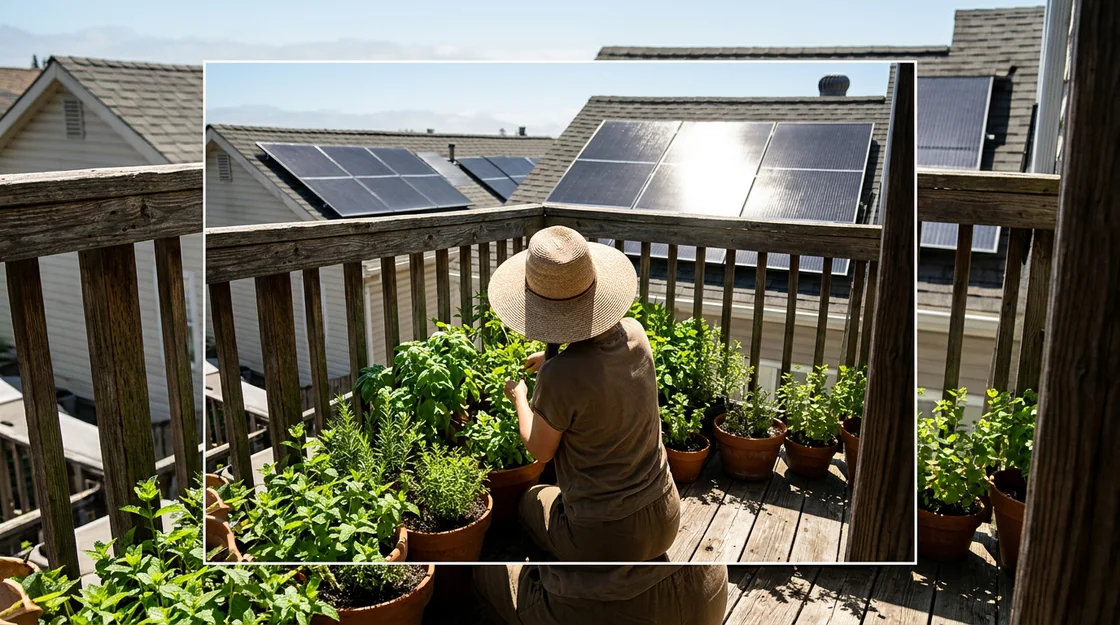
Considering solar panels for your roof is a common first thought when thinking about home renewable energy. It’s certainly a compelling option for many, especially with falling costs and increasing efficiency. rooftop solar isn’t a one-size-fits-all solution; factors like roof orientation, shading from trees, and local sunlight hours play a big role.
Understanding Solar Panel Costs and Incentives
The initial outlay for solar panels can feel substantial, but numerous incentives exist to soften the blow. For example, the federal investment tax credit (ITC) currently allows homeowners to deduct a significant percentage of the cost of installing a solar energy system from their federal taxes. Many states and even local municipalities offer additional rebates, property tax exemptions, or performance-based incentives. What most people miss is how quickly these systems can pay for themselves through reduced or eliminated electricity bills. According to the Solar Energy Industries Association (SEIA), the cost to install solar has dropped by over 70% in the last decade, making it a surprisingly affordable upgrade for many households.
Navigating Installation and Permitting
Once you decide to go solar, the practical steps begin with finding reputable installers. Get multiple quotes and ensure they provide a detailed breakdown of equipment, labor, and expected energy production. Permitting is a critical, though often overlooked, step. Local regulations vary wildly, requiring structural assessments, electrical inspections, and sometimes even aesthetic reviews. A good installer will handle most of this bureaucracy, but it’s wise to understand the process — think of it like navigating the complex world of cybersecurity, where understanding the rules is half the battle. You can find more practical guidance on similar complex topics in “Your Digital Fortress: A Beginner’s Guide to Cybersecurity & Privacy”.
Beyond Solar: Other Home-Based Renewable Options
While solar often grabs the headlines, other strategies can significantly improve your home’s energy footprint. Upgrading to energy-efficient appliances is a simple yet impactful step. Replacing an old refrigerator or washing machine with an ENERGY STAR certified model can cut energy consumption by 15-30%. Smart home technologies, like Wi-Fi-enabled thermostats and smart plugs, allow for precise control over heating, cooling, and lighting, minimizing wasted energy. One of the underrated factors here is the cumulative effect of these smaller changes.
Community Renewable Programs: Participation Without Ownership
What if rooftop solar isn’t feasible for your home, perhaps due to shading, roof condition, or simply being a renter? Community solar programs offer an excellent alternative. These programs allow individuals to subscribe to a share of a larger, off-site solar farm. You receive credits on your electricity bill for the power generated by your share, without needing to install anything on your property. This model democratizes access to renewable energy, mirroring how innovations in areas like /digital-health-technology-practical-steps-beginners are making advanced solutions accessible to everyone. Check with your utility provider or local energy agencies; many regions are expanding these programs, making it easier than ever to support clean energy.
Investing in a Greener Future: Financial Incentives and Support
Making the switch to renewable energy sounds great, but what about the cost? Many people assume it is an unattainable luxury. The truth is, a surprising number of financial incentives exist to help homeowners and businesses adopt cleaner energy solutions. These programs can significantly reduce upfront expenses and improve your return on investment. Consider the potential for long-term savings. For instance, a report from the National Renewable Energy Laboratory (NREL) indicated that a typical residential solar installation can break even in 6-10 years, depending on local electricity rates and available incentives. What most people miss is how accessible these programs have become.
Federal and State Tax Credits: Maximizing Your Savings
The federal government currently offers significant tax credits for renewable energy installations. The Investment Tax Credit (ITC), for example, allows homeowners to claim a percentage of the cost of their solar photovoltaic (PV) system as a credit on their federal income taxes. This percentage can shift, but it has historically provided a substantial benefit. It’s like getting a discount directly off your tax bill, not just a deduction. State-level incentives often complement federal programs, creating even greater savings. Many states offer their own tax credits, rebates, or even property tax exemptions for renewable energy systems. California, for instance, has historically provided substantial rebates through programs that encourage solar adoption. To find out what’s available in your area, start by visiting the Database of State Incentives for Renewables & Efficiency (DSIRE) website — it’s a detailed, publicly funded resource. Knowing your options can empower your future by helping you understand resources for things like /robotics-automation-beginners-playbook.
Local Rebates and Programs: Tapping into Community Support
Beyond federal and state initiatives, local municipalities and utility companies often provide their own distinct programs. These can include direct rebates for installing solar panels, energy-efficient appliances, or even grants for community-based renewable projects. For example, some city utility providers offer cash-back incentives for upgrading to a more efficient heat pump or for participating in a community solar garden. Finding these local programs usually involves checking your city or county government website, or contacting your local utility provider directly. Sometimes, neighborhood associations even have information on localized incentives or group purchasing programs. Applying for these programs typically involves submitting proof of purchase and installation, along with a completed application form. The process is often straightforward, resembling how you might sign up for new digital services. Understanding these opportunities can be as practical as learning to navigate /digital-health-technology-practical-steps-beginners. Investing in renewable energy is not just good for the planet; it can also be a smart financial decision, significantly boosting your home’s value and reducing your monthly expenses.
Overcoming Challenges and Common Misconceptions
Many wonder if renewable energy can power our lives consistently. A frequent concern centers on reliability, often suggesting that solar only works when the sun shines, and wind only when the breeze blows. This perspective, overlooks significant advancements in energy storage solutions, such as utility-scale batteries, which can store excess power for later use. Another widespread misconception revolves around cost, with some believing renewables are inherently more expensive than traditional fossil fuels. Interestingly, data from the International Renewable Energy Agency (IRENA) reveals that the global average cost of electricity from new utility-scale solar PV projects fell by 82% between 2010 and 2019. What most people miss is how quickly these technologies are becoming competitive, even without subsidies. Land use is another topic that draws skepticism. While large solar farms and wind installations do require space, the overall footprint can be surprisingly efficient when compared to the vast areas needed for fossil fuel extraction and processing. strategies like agrivoltaics — combining solar power generation with agriculture — are emerging to optimize land use, creating dual benefits for food and energy production. We are constantly seeing new innovations that address these practical challenges, much like the evolving landscape of /digital-health-technology-practical-steps-beginners. Modern grid infrastructure and smart grid technologies are notable in integrating diverse renewable sources effectively. These systems predict energy demand and supply fluctuations, managing the flow of electricity to maintain stability. The shift towards decentralized energy generation also empowers communities, allowing them to produce their own power and reduce reliance on distant, large-scale plants. This kind of technological progression isn’t just about big projects; it’s about empowering individuals and communities, a theme echoed in the rise of /robotics-automation-beginners-playbook.
Your Next Steps: Becoming a Renewable Energy Advocate
Taking steps to adopt renewable energy at home is commendable, but the real impact often comes from collective action. What if your efforts could extend beyond your own property and influence your entire community? Becoming an advocate means amplifying your voice and encouraging broader change, pushing for a more sustainable future for everyone.
Community Engagement: Influencing Local Policy
Local policy decisions play a surprisingly significant role in accelerating or hindering renewable energy adoption. Engaging with your community can mean attending town council meetings or joining local environmental groups. For instance, cities like Burlington, Vermont, managed to transition to 100% renewable electricity largely because of sustained local advocacy and policy changes over several decades. (I suspect many people underestimate the power of consistent, localized effort.) You can also support initiatives that promote solar panel installations on municipal buildings or advocate for zoning changes that make it easier for homeowners to install renewable systems. Research from the National Renewable Energy Laboratory (NREL) indicates that community solar projects, for example, have seen a 20% annual growth rate in recent years, demonstrating clear public interest and viability.
Supporting Green Businesses and Innovations
Beyond local politics, your purchasing power and support for businesses focused on sustainability can make a tangible difference. Seek out companies that prioritize renewable energy in their operations or offer eco-friendly products and services. This isn’t just about feel-good marketing; it drives demand for greener solutions and encourages other businesses to follow suit. Consider, for example, the growing number of local co-ops specializing in sustainable agriculture or energy-efficient home improvements. These businesses often face steeper initial investment costs, so every dollar spent with them helps them grow and innovate. It’s like tending a garden — the more you nourish it, the more it flourishes.
Emerging Technologies to Watch
Staying informed about cutting-edge renewable technologies can help you advocate more effectively. Look beyond solar and wind; innovations like advanced geothermal systems, tidal energy converters, and even bio-energy from waste are constantly evolving. For instance, companies are currently exploring next-generation battery technologies, such as solid-state batteries, which promise greater energy density and faster charging for electric vehicles and grid storage. This area is rapidly evolving, much like the advancements seen in /digital-health-technology-practical-steps-beginners. Another fascinating area is the development of smarter grids that can integrate diverse energy sources more efficiently, often leveraging principles found in /robotics-automation-beginners-playbook. Understanding these innovations helps you speak more authoritatively when discussing the future of energy.
Continuous Learning: Staying Ahead in Sustainable Practices
The landscape of renewable energy is always shifting, with new breakthroughs and policy changes occurring regularly. Continuous learning is key to staying an effective advocate. Subscribe to newsletters from reputable energy organizations, follow sustainability-focused news outlets, and consider joining online forums where you can discuss new developments. Many universities and non-profits offer free online courses on renewable energy and sustainable living. For example, institutions like Stanford University provide open-access lectures on energy systems. You might also find valuable insights by exploring how similar principles of adaptability apply to understanding /quantum-computing-beginner-practical-guide or even the broader implications of /aging-population-societal-shifts-trends. Staying current ensures your advocacy is well-informed and impactful.
Embracing a Sustainable Tomorrow
The journey towards a fully renewable energy landscape is dynamic and ever-evolving. Rather than viewing renewable energy as a complete replacement for traditional systems, consider it as a continuous integration, a series of upgrades that collectively enhance our energy resilience and environmental stewardship. What small, actionable step can you take this week to reduce your energy consumption or explore local renewable options?
Frequently Asked Questions About Renewable Energy
Is renewable energy affordable for the average household?
Yes, renewable energy is becoming increasingly affordable. While initial installation costs can be a consideration, significant government incentives, tax credits, and falling technology prices have made it more accessible. Many households find that long-term savings on electricity bills can lead to a positive return on investment within a few years.
How reliable are renewable energy sources compared to traditional power?
The reliability of renewable energy sources has improved due to advancements in energy storage solutions, such as batteries, and smart grid technologies. While sources like solar and wind are intermittent, integrated systems and diversified energy portfolios ensure a consistent power supply. Many regions now rely heavily on renewables with strong backup and storage.
Can I install solar panels myself, or do I need a professional?
While some very small, off-grid solar kits can be installed by DIY enthusiasts, most rooftop solar panel installations require professional expertise. This is due to safety concerns, electrical wiring complexities, structural considerations, and the need to comply with local building codes and permitting requirements. Hiring certified professionals ensures efficiency, safety, and eligibility for incentives.
What are the biggest barriers to widespread renewable energy adoption?
Key barriers include initial capital costs, the need for solid energy storage solutions to manage intermittency, and the upgrade of existing grid infrastructure to handle decentralized power. regulatory hurdles, public awareness, and land use considerations for large-scale projects can sometimes slow adoption. continuous innovation is steadily overcoming these challenges.
How does renewable energy impact property values?
Renewable energy systems, particularly solar panels, often positively impact property values. Homes with solar installations can sell faster and for a higher price, as buyers are attracted to lower utility bills and environmental benefits. The exact increase varies based on location, system size, and local market conditions, but it’s generally considered a valuable home improvement.