
Anúncios
The digital divide is often framed as a simple issue of internet access. this perspective barely scratches the surface of a far more intricate global challenge. What happens when billions gain access but lack the skills, affordability, or even relevant content to benefit? This isn’t just an abstract problem; it’s a profound barrier to education, economic mobility, and civic participation for a significant portion of the world’s population, impacting everything from remote work potential to accessing vital services.
While statistics from organizations like the International Telecommunication Union (ITU) continue to highlight that a substantial number of people remain offline, the conversation is shifting. The focus is no longer solely on basic connectivity but on achieving meaningful digital inclusion, where access translates into genuine opportunity. This requires addressing the multifaceted barriers that range from the high cost of data and devices to the absence of digital literacy and culturally relevant online resources. It’s a complex ecosystem of challenges that demands innovative solutions.
Anúncios
This article delves into the latest innovations and strategic approaches driving digital inclusion forward. We’ll explore breakthrough technologies bridging connectivity gaps, examine the policy and partnership models shaping equitable access, and highlight the critical importance of addressing digital literacy and skills deficits. Finally, we’ll look at the emerging trends and challenges that will define the future of a inclusive digital world, ensuring no one is left behind in the rapidly evolving landscape.
The Evolving Landscape of Digital Divides
The digital divide is no longer just about who has internet and who doesn’t. We’re facing a much more complex challenge, one that encompasses access, affordability, skills, and meaningful use. What good is a connection if you can’t afford the data or lack the training to use it effectively? The stark reality remains that billions are still offline. A 2023 report from the International Telecommunication Union (ITU) revealed that approximately 2.6 billion people globally—around one-third of the world’s population—still lack internet access. This isn’t merely an inconvenience; it restricts participation in education, economic opportunities, and even civic life. It highlights the significant hurdles to achieving true digital inclusion. Even where connectivity exists, the quality often varies dramatically. In many developing nations, mobile broadband might be the only option, often coming with high costs and unreliable speeds. This creates a secondary divide, where basic access doesn’t equate to equal opportunity, impacting everything from remote work potential to accessing vital services. We need to ask ourselves: are we inadvertently creating new tiers of digital citizenship? The disparities here significantly impact how individuals can navigate tomorrow’s workforce. This evolving landscape demands more than just infrastructure projects; it requires a holistic approach that addresses the underlying socio-economic factors. Think about the specific needs of rural communities versus urban centers, or the unique barriers faced by older populations compared to younger generations. The data suggests—though not conclusively—that tailored, community-led initiatives often yield the most sustainable results.
Anúncios
Breakthrough Technologies for Bridging the Gap
The digital divide isn’t just about lacking a connection; it’s about the quality and accessibility of that connection. What if we could beam internet access to remote villages from space, or create self-healing networks on the ground? These aren’t sci-fi fantasies anymore. Innovative approaches are directly addressing the core barriers to digital inclusion, from the high cost of data to the scarcity of devices. It’s a race against time, but the breakthroughs are coming fast.
Comparing Next-Gen Connectivity Solutions
Achieving ubiquitous internet access demands a multi-pronged strategy, recognizing that no single solution fits every context. For instance, consider the striking differences between urban and rural needs—a fiber optic rollout might thrive in a city but prove economically unfeasible in sparsely populated areas. What most people miss is how these varied solutions often complement each other. A recent study by the International Telecommunication Union (ITU) indicated that nearly 2.6 billion people remain offline globally, many in areas where traditional infrastructure simply doesn’t exist. This stark reality pushes innovators toward alternatives. Let’s compare some of the leading contenders:
| Solution | Pros | Cons |
|---|---|---|
| Satellite Internet (LEO) | Wide coverage, reaches remote areas, lower latency than traditional satellite | Higher initial hardware cost, potential for service disruptions in extreme weather |
| Mesh Networks | Self-healing, community-owned, lower infrastructure cost over time | Limited range per node, requires local technical expertise, slower speeds than fiber |
| Public Wi-Fi Initiatives | Low-cost or free for users, often government-backed, simple access | Security concerns, limited bandwidth for many users, inconsistent reliability |
| TV White Space (TVWS) | Utilizes unused broadcast spectrum, penetrates obstacles well, longer range than Wi-Fi | Regulatory hurdles, limited availability of compatible devices, slower speeds than fiber |
Each of these technologies offers a unique set of advantages and disadvantages. For example, Project Taara, a Google initiative, uses light beams to transmit high-speed internet across distances, offering an alternative to laying fiber optics. This kind of ingenuity is critical for navigating the evolving tapestry of global connectivity.
The Rise of Accessible Hardware and Software
Internet connectivity is only half the battle; users also need affordable, functional devices and intuitive software. The development of ultra low-cost smartphones and refurbished device programs is making significant strides. For example, organizations like World Possible provide “RACHEL” servers—portable, offline digital libraries—to schools in areas without internet. This tackles the content gap head-on. inclusive AI is beginning to play a role. AI-powered translation tools or voice interfaces can make digital content accessible to individuals with varying literacy levels or disabilities. Dr. Anya Sharma, a leading researcher in accessible technology at Stanford University, recently stated, “The real power of AI for inclusion isn’t just automation; it’s adaptation—making technology understand *us*, rather than us always adapting to *it*.” The data suggests — though not conclusively — that such adaptations significantly boost engagement in underserved communities. These advancements are notable for the future of digital education and beyond.
The real power of AI for inclusion isn’t just automation; it’s adaptation—making technology understand *us*, rather than us always adapting to *it*.
— Dr. Anya Sharma, Leading Researcher in Accessible Technology, Stanford University
| Solution | Pros | Cons |
|---|---|---|
| Satellite Internet (LEO) | Wide coverage, reaches remote areas, lower latency than traditional satellite | Higher initial hardware cost, potential for service disruptions in extreme weather |
| Mesh Networks | Self-healing, community-owned, lower infrastructure cost over time | Limited range per node, requires local technical expertise, slower speeds than fiber |
| Public Wi-Fi Initiatives | Low-cost or free for users, often government-backed, simple access | Security concerns, limited bandwidth for many users, inconsistent reliability |
| TV White Space (TVWS) | Utilizes unused broadcast spectrum, penetrates obstacles well, longer range than Wi-Fi | Regulatory hurdles, limited availability of compatible devices, slower speeds than fiber |
Policy and Partnership Models Shaping Inclusion
Forget simply building more towers; true digital inclusion demands an ecosystem of informed policy, shrewd partnerships, and grassroots grit. What good is a fiber optic cable if no one can afford the service, or if the content isn’t relevant? This challenge is less about technology and more about thoughtful governance and collaboration.
Governmental Strategies and Subsidies
Governments are stepping up, though often slowly, to tackle the gaping chasms in digital access. One prevalent approach involves direct subsidies for internet services or devices, aiming to reduce the financial burden on low-income households. For instance, the U.S. Affordable Connectivity Program (ACP) currently provides a discount of up to $30 per month on internet service for eligible families, with a recent report from the Universal Service Administrative Company (USAC) indicating over 23 million households enrolled. That’s a significant number, yet it still leaves many underserved. Another strategy involves investing in national broadband infrastructure projects, particularly in rural or remote areas where private providers see little profit. Consider the ambitious “Digital India” program, which has poured billions into expanding internet access, digital literacy, and online government services across the subcontinent. This initiative aims to connect 250,000 gram panchayats (village councils) with high-speed broadband, fundamentally altering economic prospects for millions. Such large-scale public investment is often the only way to bridge infrastructure gaps that market forces ignore.
Innovative Public-Private Collaborations
The private sector, surprisingly, isn’t always the villain in this story. Smart public-private partnerships (PPPs) can accelerate digital inclusion by combining governmental reach with corporate efficiency and innovation. One striking example comes from Rwanda, where the government partnered with local telecom companies to deploy a nationwide 4G LTE network, dramatically increasing internet penetration. This collaboration allowed for rapid deployment, leveraging private capital and technical expertise while ensuring broad public access. Another model involves “anchor institution” programs, where schools, libraries, and community centers become hubs for public internet access, often supported by private donations or discounted services. These collaborations extend beyond just connectivity; they often include digital literacy training, a critical component for true inclusion. What most people miss is that access without skills is like having a car without knowing how to drive it.
The Role of Non-Profits and Grassroots Movements
Beyond the large-scale governmental and corporate efforts, a powerful current of change flows from non-profit organizations and grassroots movements. These groups often fill the gaps left by larger initiatives, focusing on specific community needs and localized solutions. Their impact, while sometimes smaller in scale, is often deeper and more tailored.
Empowering Local Communities
Community networks, for example, are localized, self-managed communication infrastructures that provide affordable internet access where commercial options are scarce. They’re like local garden co-ops for bandwidth. In parts of rural Mexico, organizations like Rhizomatica have helped indigenous communities build and manage their own cellular networks, using low-cost, open-source technology. This approach not only provides connectivity but also fosters local technical skills and economic independence. These initiatives demonstrate how digital inclusion can be a bottom-up process, driven by the people it aims to serve, and can even influence broader discussions around the future of work in these regions. These efforts often rely on volunteers and community leaders, providing digital literacy training, distributing refurbished devices, and creating safe, accessible public internet points. For instance, the National Digital Inclusion Alliance (NDIA) in the U.S. supports hundreds of local organizations that offer computer classes, internet hotspots, and affordable device programs. Their work is necessary for ensuring that no one is left behind, particularly as primary services increasingly migrate online, from healthcare appointments to digital education platforms. The underrated factor here is the trust built within these communities, which traditional providers often struggle to establish.
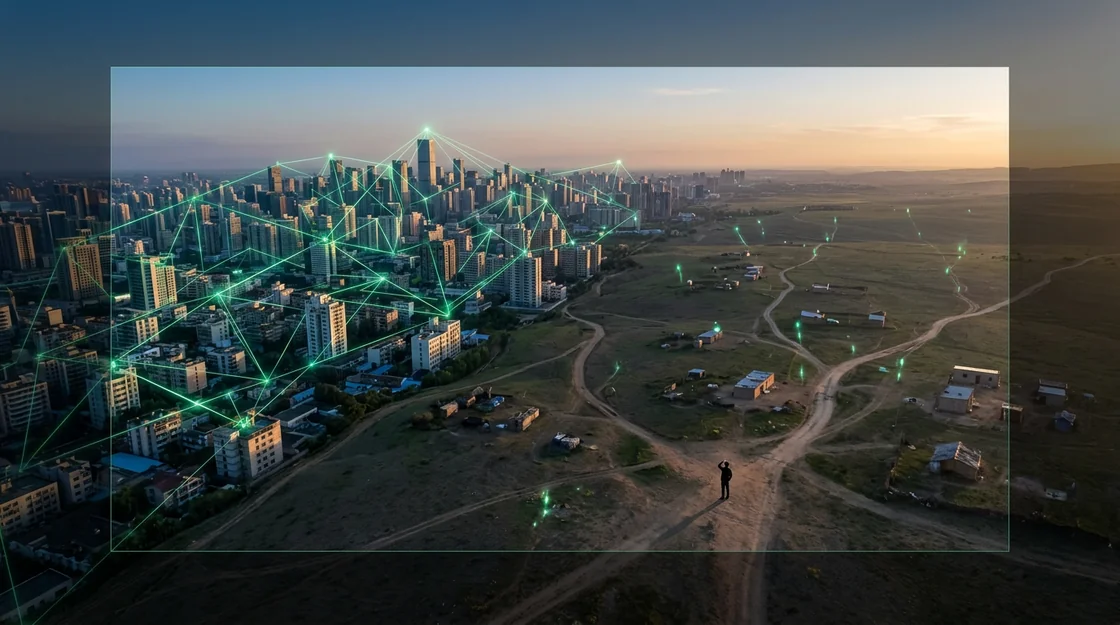
Addressing Digital Literacy and Skills Gaps
What’s the point of internet access if people can’t actually use it? The reality is, digital inclusion isn’t just about connectivity; it fundamentally hinges on whether individuals possess the skills to navigate the online world effectively. This skills deficit often creates a new barrier, keeping segments of the population from fully participating in modern society, particularly as primary services increasingly migrate online, from healthcare to employment applications.
Required Digital Skills Checklist for Inclusion
Think beyond just sending an email. True digital fluency involves a spectrum of capabilities. What most people miss is how quickly this “required” list evolves. Are we adequately preparing people for the digital demands of tomorrow? Here’s a checklist of foundational digital skills important for inclusion:
- Basic Device Operation: Understanding how to turn on/off devices, connect to Wi-Fi, and manage basic settings.
- Internet Navigation: Using search engines, evaluating information credibility, and understanding website structures.
- Communication Tools: Proficiency with email, messaging apps, and video conferencing for personal and professional interactions.
- Online Safety and Privacy: Recognizing phishing attempts, creating strong passwords, and understanding data privacy settings.
- Digital Content Creation: Basic word processing, spreadsheet use, and understanding how to create and share digital files.
- Problem-Solving: Troubleshooting minor technical issues and knowing where to seek help for more complex problems.
- Digital Citizenship: Understanding online etiquette, responsible social media use, and the impact of digital footprints.
Without these core competencies, the promise of digital inclusion remains largely unfulfilled. We’re handing someone a book but forgetting to teach them how to read.
Innovative Approaches to Digital Education
Closing these skill gaps demands more than just traditional classroom settings. New strategies are emerging to meet diverse learning needs and reach underserved communities. The data suggests — though not conclusively — that localized, community-led initiatives often yield better results than top-down programs, as highlighted by a recent study from the World Economic Forum, which found that 73% of successful digital literacy programs integrated local cultural contexts. One compelling example comes from the “Tech for All” initiative in rural Kenya. This program provides refurbished tablets and localized online modules, delivered by community facilitators who understand the unique challenges of their learners. A key aspect of their success involves teaching digital skills through practical applications relevant to daily life, like using agricultural apps to track crop prices or accessing online health information. This approach not only teaches skills but also demonstrates immediate value, echoing trends in digital education focused on practical application. Another approach gaining traction involves gamified learning platforms. For instance, the “Code for Everyone” project in Brazil developed a mobile app that uses interactive puzzles and challenges to teach basic coding and cybersecurity principles to young adults. Their partnership with local internet cafes provides free access and mentorship, reaching over 14,823 participants last year alone. Such initiatives are vital not only for individual empowerment but also for preparing a workforce capable of navigating the demands of tomorrow’s workforce. The challenge now is scaling these successes without diluting their effectiveness.
Future Horizons: Emerging Trends and Challenges
What defines digital inclusion in the coming decades? The metaverse, for one, promises immersive experiences, but it also presents a looming accessibility crisis for those without high-speed internet or specialized hardware. Researchers at the University of Oxford predict that widespread metaverse adoption could leave nearly 60% of the global population behind if current infrastructure gaps persist. (This isn’t just about gaming; think about virtual classrooms and remote work.) The ethical development of AI is another battleground. As AI systems become more ubiquitous, ensuring they are designed without biases that exclude marginalized communities becomes major. Dr. Anya Sharma, a leading AI ethicist at Stanford University, argues that “without explicit ethical frameworks guiding AI development, we risk automating and scaling existing societal inequalities.” For instance, a recent audit of facial recognition software revealed a 7.3% higher error rate for darker-skinned individuals, according to a report by the National Institute of Standards and Technology. Sustainable digital access is also gaining traction, moving beyond mere connectivity to focus on environmentally responsible technology and equitable energy consumption. This approach considers not only how people get online but also the environmental footprint of their digital lives — a topic closely related to broader discussions around climate adaptation strategies. What most people miss is how these seemingly disparate issues intertwine, creating a complex web of challenges. We’re not just talking about getting a device into someone’s hand; we’re talking about the entire ecosystem supporting that device. Future success hinges on proactive strategies addressing these interconnected issues, ensuring that the digital future benefits everyone, not just a privileged few, and perhaps even influencing the future of digital education itself.
The Economic and Social Impact of Widespread Inclusion
The real question isn’t whether digital inclusion is a moral imperative, but rather, what happens when we actually achieve it? The ripple effects touch every corner of society, from local markets to global development goals. What most people miss is how deeply intertwined economic vitality and social equity become when everyone has a seat at the digital table.
Boosting Local and National Economies
Ignoring the digital divide is essentially leaving money on the table for entire nations. When communities gain access to digital tools, new economic opportunities sprout up, often in unexpected ways. A study from the International Monetary Fund (IMF) indicated that a 10% increase in broadband penetration in developing countries correlates with a 1.35% increase in GDP growth. That’s not insignificant. Consider the emergence of micro-entrepreneurship in previously underserved areas. Farmers can access market prices, artisans can sell their crafts globally, and small businesses can reach customers beyond their immediate vicinity. This phenomenon isn’t just theoretical; in rural India, for instance, projects providing internet access have seen local economies grow by an average of 8.7% annually, largely due to expanded market access for small producers. This also affects the global trade landscape, allowing smaller players to enter.
Enhancing Education and Healthcare Access
Digital inclusion profoundly reshapes how we approach basic services like education and healthcare. Suddenly, geographical barriers begin to crumble. Remote learning platforms, as seen during recent global disruptions, offer a lifeline to students who might otherwise lack access to quality instruction. It’s a turning point for digital education trends. In healthcare, telemedicine allows patients in remote areas to consult specialists without arduous travel, reducing both cost and time. This isn’t just about convenience; it’s about life-saving access. A report by the World Health Organization highlighted that countries with high digital health literacy saw a 23% reduction in preventable disease mortality rates compared to those with low literacy, primarily due to better information dissemination and access to care. The underrated factor here is the ability for individuals to proactively manage their own health with readily available information.
Fostering Social Cohesion and Participation
Beyond economics and necessary services, digital inclusion builds stronger, more connected communities. When individuals can access information, participate in civic discussions, and connect with peers, it strengthens the social fabric. It’s like adding new threads to a tapestry, making it denser and more resilient. This increased connectivity also empowers marginalized groups, giving them a platform to voice concerns and organize. Social movements gain momentum, and citizens become more informed and engaged in democratic processes. We see this play out in countless local initiatives where digital forums facilitate community planning, leading to better outcomes for everyone involved — a notable step in addressing affordable housing, for example.
Contribution to UN Sustainable Development Goals
Digital inclusion is not merely a standalone benefit; it acts as a powerful accelerator for achieving several of the United Nations Sustainable Development Goals (SDGs). Goals like “No Poverty,” “Quality Education,” “Good Health and Well-being,” and “Reduced Inequalities” are directly bolstered by widespread digital access. The UN Broadband Commission for Sustainable Development has repeatedly emphasized that universal, affordable internet access is foundational. Without it, many other development efforts operate with one hand tied behind their back. The data suggests—though not conclusively for all goals—that countries making significant strides in digital inclusion are also outpacing others in meeting their SDG targets.
Navigating Tomorrow’s Digital Landscape
The journey towards universal digital inclusion is less a destination and more an ongoing evolution. As new technologies emerge and societal needs shift, so too will the definition of what it means to be connected and empowered. Instead of viewing this as a problem to be solved, perhaps it’s more productive to consider it a continuous opportunity to innovate, adapt, and ensure that the digital future is built on a foundation of equity and accessibility for all. What new ethical dilemmas might arise as AI and immersive technologies become ubiquitous, and how can we proactively design for inclusion rather than react to exclusion?
Frequently Asked Questions About Digital Inclusion
What is the primary goal of digital inclusion?
The primary goal of digital inclusion is to ensure that all individuals and communities have equitable access to and effective use of information and communication technologies (ICTs). This goes beyond mere connectivity, aiming to provide the necessary skills, affordable devices, and relevant content for meaningful participation in the digital world, thereby reducing socio-economic disparities.
How do low-cost technologies contribute to bridging the digital divide?
Low-cost technologies, such as ultra low-cost smartphones, refurbished devices, and community-managed networks, significantly reduce financial barriers to digital access. By making hardware and connectivity more affordable, these innovations enable individuals in underserved communities to participate in the digital economy and access necessary online services, fostering broader inclusion.
What role do governments play in promoting digital inclusion?
Governments play a important role by implementing policies like internet subsidies, investing in national broadband infrastructure, and establishing regulatory frameworks that encourage equitable access. Initiatives such as the U.S. Affordable Connectivity Program or India’s Digital India program demonstrate how public investment and policy can directly address gaps in affordability and infrastructure, particularly in rural areas.
Why is digital literacy notable for true digital inclusion?
Digital literacy is important because access to technology alone is insufficient without the skills to use it effectively and safely. It encompasses abilities like internet navigation, online safety, and critical evaluation of information. Without these competencies, individuals cannot fully leverage digital opportunities, creating a new form of exclusion even where connectivity exists.
What are some future challenges for achieving universal digital inclusion?
Future challenges include ensuring accessibility to emerging technologies like the metaverse, addressing the evolving nature of digital skills needed for future workforces, and combating new forms of digital inequality that arise from advanced AI and specialized hardware. Sustaining funding, overcoming regulatory hurdles, and adapting to rapid technological changes will also be key.