Cybersecurity Threats from Abroad: Protecting U.S. Infrastructure
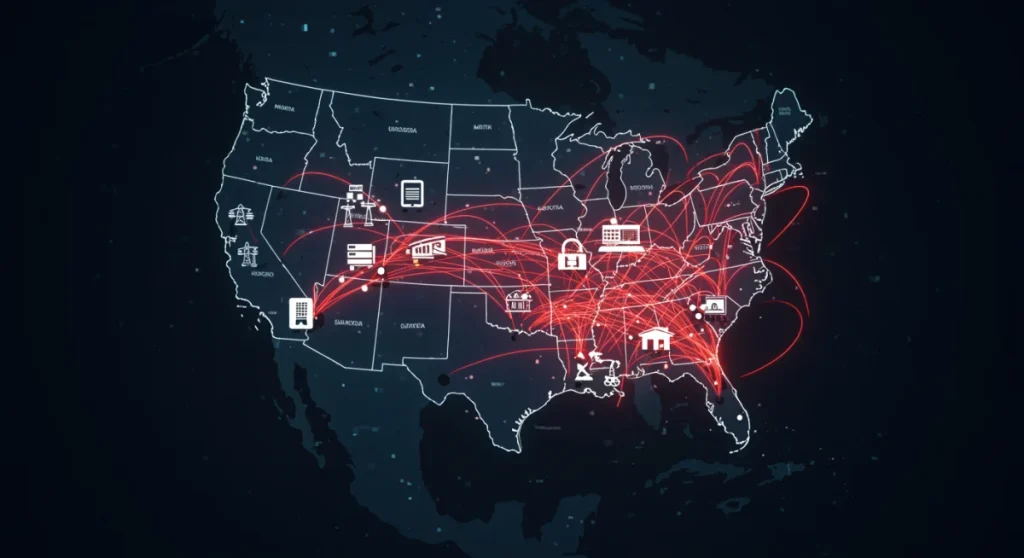
Protecting U.S. infrastructure from foreign cybersecurity threats in the next 12 months demands a multi-layered defense strategy, integrating advanced technological safeguards with robust policy frameworks and international cooperation to mitigate escalating risks.
In an increasingly interconnected world, the phrase U.S. Infrastructure Cybersecurity has never been more critical. The digital backbone of our nation, from energy grids to financial systems, faces relentless and sophisticated threats originating from beyond our borders. Understanding these evolving dangers and fortifying our defenses is not merely an IT challenge; it is a matter of national security and economic stability. This article delves into the landscape of foreign cyber threats and outlines crucial steps for safeguarding U.S. infrastructure over the coming year.
The Evolving Landscape of Foreign Cyber Threats
The nature of cyber threats emanating from abroad is in constant flux, driven by geopolitical tensions, technological advancements, and the increasing sophistication of state-sponsored actors and criminal organizations. These adversaries are not static targets; they adapt their tactics, techniques, and procedures (TTPs) at an alarming pace, making proactive defense paramount.
Understanding the motivations behind these attacks is crucial. While some aim for espionage, stealing sensitive data and intellectual property, others seek to disrupt, damage, or even destroy critical infrastructure, causing widespread chaos and economic instability. The lines between these objectives often blur, with initial reconnaissance missions escalating into full-scale assaults if vulnerabilities are exposed.
State-Sponsored Actors and Their Capabilities
Many of the most advanced and persistent cyber threats originate from state-sponsored groups. These entities are often well-funded, highly skilled, and operate with strategic objectives aligned with their national interests. Their capabilities span a wide range of attack vectors, from sophisticated malware and zero-day exploits to extensive social engineering campaigns.
- Espionage: Targeting government agencies, defense contractors, and research institutions to steal classified information and technological secrets.
- Disruption: Aiming to compromise critical infrastructure, such as power grids, water treatment plants, and transportation networks, to cause operational failures.
- Influence Operations: Manipulating public opinion and political processes through disinformation campaigns and interference with digital platforms.
The sheer scale and resources available to state-sponsored actors make them particularly formidable adversaries. They often engage in long-term campaigns, patiently infiltrating systems and establishing persistent access for future operations. This requires a defensive posture that prioritizes continuous monitoring and threat hunting, rather than solely reactive incident response.
Key Vulnerabilities in U.S. Critical Infrastructure
Despite ongoing efforts, significant vulnerabilities persist across various sectors of U.S. critical infrastructure. These weaknesses can be exploited by foreign adversaries, leading to severe consequences. Addressing these vulnerabilities requires a comprehensive and collaborative approach involving both public and private entities.
Many of these vulnerabilities stem from legacy systems, interconnected networks, and an expanding attack surface due to digitalization. The rapid adoption of IoT devices and cloud services, while offering efficiency benefits, also introduces new entry points for malicious actors if not secured properly.
Outdated Systems and Software
A significant challenge lies in the prevalence of outdated operational technology (OT) and information technology (IT) systems within critical infrastructure. These older systems often lack modern security features and may no longer receive vendor support or security patches, making them prime targets for exploitation.
The cost and complexity of upgrading or replacing these systems can be prohibitive, leading many organizations to defer necessary security enhancements. This creates a ticking time bomb, as known vulnerabilities in older software can be easily exploited by adversaries with access to publicly available exploits.
- Unpatched Software: Exploitation of known vulnerabilities in operating systems, applications, and firmware that have not been updated.
- Legacy Hardware: Older equipment lacking modern security capabilities, making it susceptible to advanced persistent threats.
- Interconnectedness: The increasing integration of IT and OT networks, which can allow threats to propagate from less secure business systems to critical operational controls.
Furthermore, human factors remain a critical vulnerability. Phishing attacks, social engineering, and insider threats can bypass even the most robust technological defenses. Comprehensive cybersecurity awareness training and strict access controls are essential components of a holistic security strategy.
Proactive Defense Strategies for the Next 12 Months
To effectively counter the escalating foreign cybersecurity threats, the U.S. must adopt a more proactive and adaptive defense posture in the coming year. This involves a multi-faceted approach that integrates technological advancements, policy reforms, and enhanced collaboration across sectors.
The focus should be on building resilience, not just preventing attacks. Even with the best defenses, some intrusions are inevitable. The ability to quickly detect, respond to, and recover from breaches is just as important as preventing them in the first place.
Implementing Zero Trust Architectures
The principle of “never trust, always verify” is at the heart of Zero Trust. This security model assumes that no user, device, or application should be trusted by default, regardless of whether they are inside or outside the network perimeter. Every access request is authenticated, authorized, and continuously validated.
Adopting Zero Trust architectures across critical infrastructure sectors can significantly reduce the risk of lateral movement by adversaries once they gain initial access. By segmenting networks and enforcing granular access controls, the impact of a successful breach can be contained.
- Identity Verification: Strong multi-factor authentication for all users and devices accessing critical systems.
- Least Privilege Access: Granting users only the minimum access necessary to perform their tasks.
- Micro-segmentation: Dividing networks into smaller, isolated segments to limit the spread of threats.
Beyond Zero Trust, investing in advanced threat intelligence, artificial intelligence (AI), and machine learning (ML) capabilities for anomaly detection can provide an early warning system against sophisticated attacks. These technologies can identify unusual patterns of behavior that might indicate a compromise before it escalates.
Strengthening Public-Private Partnerships
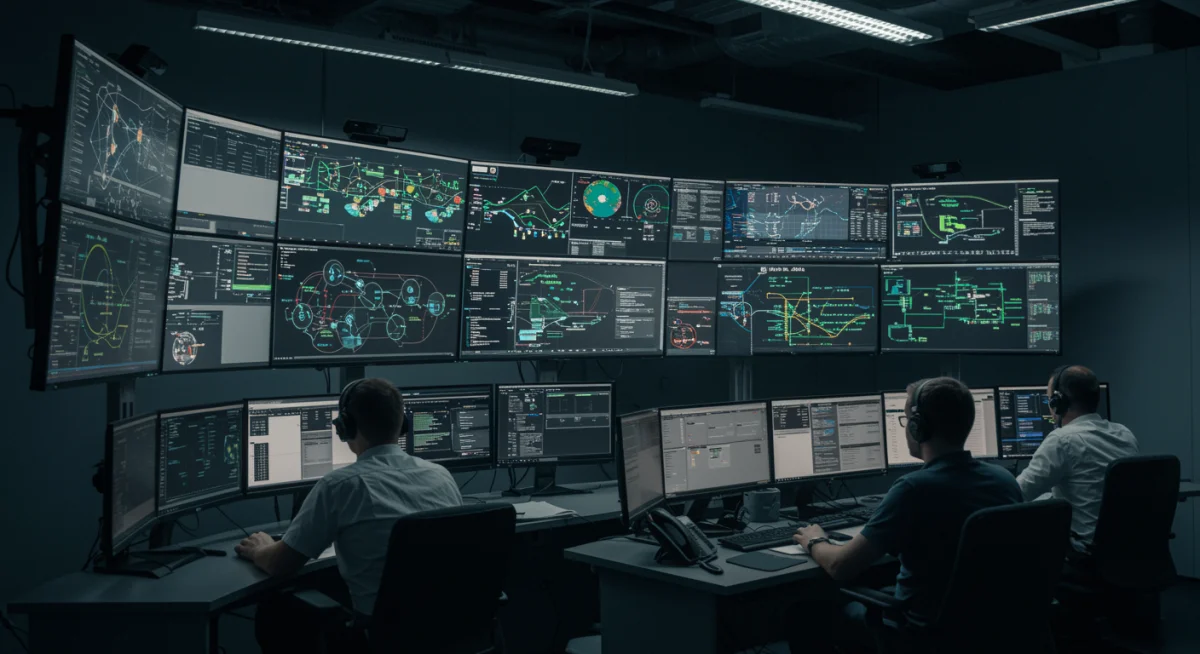
Effective protection of U.S. infrastructure against foreign cyber threats cannot be achieved by any single entity. It requires robust and seamless collaboration between government agencies, private sector organizations, and academic institutions. Each plays a vital role in sharing information, developing best practices, and coordinating responses.
The complexity and scale of modern cyber threats necessitate a unified front. Private companies often possess cutting-edge technological expertise and are on the front lines of defending against attacks, while government agencies can provide critical threat intelligence and regulatory frameworks.
Information Sharing and Collaboration Platforms
Establishing and enhancing platforms for real-time threat intelligence sharing is paramount. Organizations like the Cybersecurity and Infrastructure Security Agency (CISA) facilitate this exchange, but broader participation and seamless integration are still needed. This includes sharing indicators of compromise (IOCs), attack methodologies, and defensive strategies.
The goal is to create a collective defense where insights gained from one incident can immediately benefit others, reducing the overall window of vulnerability for the entire critical infrastructure ecosystem. Trust and transparency are foundational to the success of these initiatives.
- Threat Intelligence Platforms: Centralized systems for sharing real-time threat data among stakeholders.
- Joint Training Exercises: Simulating cyber attack scenarios to improve coordinated response capabilities.
- Cross-Sector Working Groups: Bringing together experts from different industries to address common challenges and develop unified solutions.
Furthermore, fostering a culture of cybersecurity awareness and responsibility across all levels of an organization, from top leadership to entry-level employees, is crucial. Human error remains a significant factor in successful cyber intrusions, and continuous education can mitigate this risk.
Policy and Regulatory Frameworks
Robust policy and regulatory frameworks are essential enablers for strengthening U.S. infrastructure cybersecurity. These frameworks provide the necessary guidelines, incentives, and enforcement mechanisms to ensure that critical sectors meet baseline security standards and continuously improve their defenses.
The challenge lies in creating regulations that are effective, adaptable to rapid technological changes, and do not stifle innovation or place undue burdens on organizations. A balanced approach is crucial for achieving security objectives without hindering economic growth.
Harmonizing Cybersecurity Standards
Currently, various sectors operate under different cybersecurity standards and reporting requirements, which can lead to inconsistencies and gaps in overall national defense. The next 12 months should see greater efforts towards harmonizing these standards, perhaps through a national framework that can be tailored to specific industry needs.
This harmonization would simplify compliance for organizations operating across multiple sectors and ensure a more consistent level of security across all critical infrastructure. It also facilitates better information sharing and coordinated incident response.
- NIST Cybersecurity Framework: Promoting wider adoption and adaptation of the National Institute of Standards and Technology (NIST) framework.
- Mandatory Reporting: Implementing clear and consistent mandatory incident reporting requirements for critical infrastructure entities.
- Incentives for Compliance: Exploring tax breaks or grants for organizations that invest heavily in advanced cybersecurity measures.
Additionally, international cooperation on cyber norms and deterrence strategies is vital. Working with allies to establish clear rules of engagement in cyberspace and imposing consequences for malicious state-sponsored activities can help deter future attacks and foster a more stable digital environment.
Investing in Cyber Talent and Innovation
The human element is arguably the most critical component of any cybersecurity strategy. A severe shortage of skilled cybersecurity professionals persists, creating a significant vulnerability. Addressing this talent gap and fostering continuous innovation are paramount for protecting U.S. infrastructure in the long term.
The dynamic nature of cyber threats means that static solutions are insufficient. We must continuously invest in research and development to stay ahead of adversaries, exploring new technologies and methodologies that can provide a decisive advantage.
Developing the Next Generation of Cyber Defenders
To bridge the talent gap, aggressive investments are needed in cybersecurity education and workforce development programs. This includes K-12 initiatives to spark early interest, robust university programs, and reskilling opportunities for professionals transitioning into cybersecurity roles.
Creating clear career pathways, offering competitive salaries, and fostering a culture of continuous learning are also essential to attract and retain top talent. The government and private sector must collaborate to fund scholarships, internships, and apprenticeship programs.
- Cybersecurity Academies: Establishing specialized training centers focused on critical infrastructure protection.
- Public-Private Internships: Providing hands-on experience for students in real-world cybersecurity environments.
- Skills-Based Hiring: Shifting focus from traditional degrees to demonstrable skills and certifications in cybersecurity roles.
Furthermore, supporting research and development in areas like quantum-resistant cryptography, secure AI, and autonomous defense systems will be crucial for future-proofing our defenses. Fostering a vibrant ecosystem of cybersecurity startups and innovators can bring fresh perspectives and disruptive technologies to the forefront.
| Key Point | Brief Description |
|---|---|
| Evolving Threats | State-sponsored actors and cybercriminals constantly adapt tactics, requiring proactive defense. |
| Key Vulnerabilities | Outdated systems, interconnected networks, and human factors remain significant weaknesses. |
| Proactive Defense | Implementing Zero Trust, advanced threat intelligence, and AI/ML for early detection. |
| Talent & Innovation | Investing in education, workforce development, and R&D for future-proof defenses. |
Frequently Asked Questions About U.S. Cybersecurity
The primary sources include state-sponsored groups from adversarial nations, often motivated by espionage, disruption, or political influence. Additionally, sophisticated cybercriminal organizations and hacktivist groups contribute to the threat landscape, seeking financial gain or ideological impact.
The U.S. government, primarily through agencies like CISA, collaborates with the private sector by sharing threat intelligence, offering guidance, and coordinating incident response. Public-private partnerships are crucial for developing unified defense strategies and enhancing collective resilience against cyber attacks.
Zero Trust is a security model based on the principle of “never trust, always verify.” It assumes no implicit trust and requires continuous authentication for all users and devices, regardless of network location. This is vital for infrastructure as it limits lateral movement of threats and contains breaches.
Securing legacy infrastructure systems faces challenges such as outdated software lacking modern security features, high costs and complexity of upgrades, and the difficulty of integrating new security solutions without disrupting critical operations. These systems often present easily exploitable vulnerabilities.
Addressing the talent shortage requires comprehensive strategies, including increased investment in cybersecurity education from K-12 to university levels, reskilling programs, and public-private partnerships for internships and apprenticeships. Fostering a culture of continuous learning and offering competitive compensation are also key to attracting and retaining professionals.
Conclusion
The protection of U.S. infrastructure from foreign cybersecurity threats is an ongoing and complex endeavor that demands constant vigilance and adaptation. The next 12 months will be critical in implementing robust defenses, fostering deeper collaboration, and investing in the human capital and technological innovation necessary to stay ahead of sophisticated adversaries. By prioritizing a multi-layered approach that encompasses advanced technologies, sound policies, and strong partnerships, the U.S. can significantly enhance its resilience and safeguard its vital national assets against the ever-present dangers in cyberspace.