
Anúncios
Imagine a home that doesn’t just consume energy but actively participates in its management, saving you money while contributing to a more stable and sustainable power grid. This isn’t a futuristic fantasy; it’s the reality offered by smart energy grids. For many homeowners, the concept of a ‘smart grid’ might sound complex or distant, something handled by utility companies. the truth is that engaging with these intelligent systems is becoming increasingly accessible and beneficial for individual households.
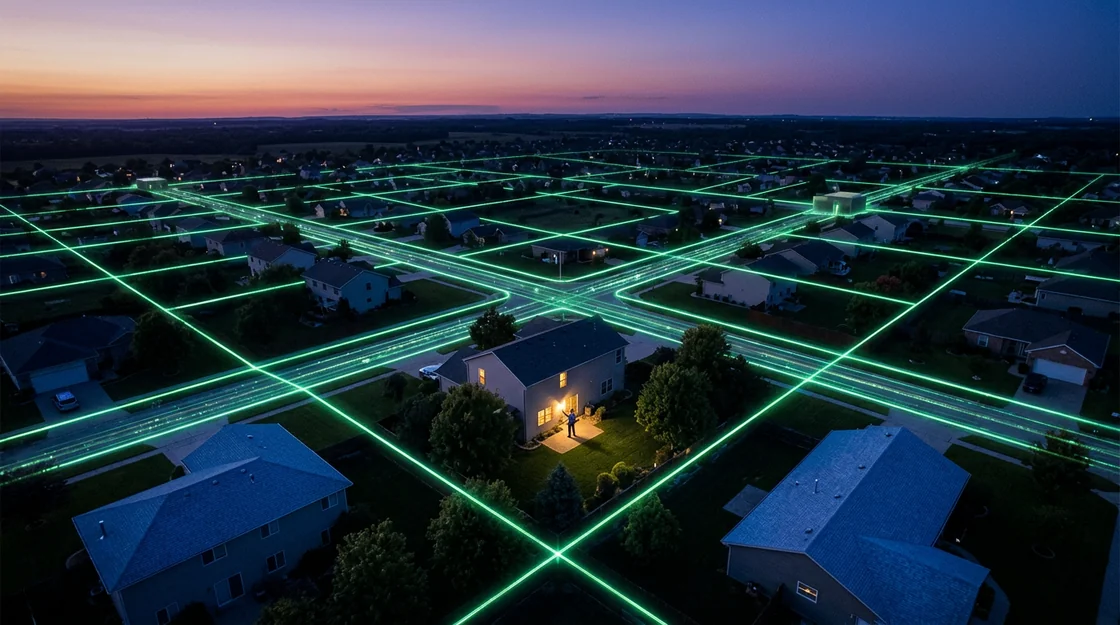
Traditional electricity grids operate on a one-way street, pushing power to consumers with little feedback. Smart grids, by contrast, are dynamic, two-way networks that integrate digital communication technology. This allows for real-time data exchange between your home and the utility, enabling exceptional levels of efficiency, reliability, and personalization in energy use. It’s a underlying shift from passive consumption to active participation, offering a pathway to significant savings and a reduced environmental footprint.
Anúncios
This article will demystify smart energy grids, guiding you through the practical steps to integrate your home, from assessing your current energy setup and exploring utility programs to selecting the right smart devices. We’ll delve into strategies for maximizing savings through time-of-use rates and demand response programs, ensuring you’re equipped to transform your home into an active, intelligent energy hub. Prepare to unlock the full potential of your home’s energy future.
Understanding Smart Energy Grids: A Beginner’s Overview
Think of a traditional electricity grid as an old-fashioned telephone line: one-way communication, prone to outages, and utterly blind to what’s happening at your end. Smart energy grids, by contrast, are like upgrading to a fiber-optic network—they represent a profound leap in how we manage and distribute power. What most people miss is how these grids leverage digital technology to create a two-way flow of information between utilities and consumers. A smart grid integrates advanced metering, communication networks, and control systems, transforming a passive infrastructure into an active, responsive one. For instance, sensors deployed across the grid can detect faults almost instantly, rerouting power to minimize disruptions—a capability entirely absent in older systems. This real-time data exchange allows for far greater efficiency and reliability; a 2022 study by the Electric Power Research Institute (EPRI) indicated that smart grid investments contributed to a 28% reduction in the duration of power outages in some regions. The core components include smart meters (which provide detailed consumption data), sensors (monitoring grid health), automated control systems (managing power flow), and a strong communication infrastructure. This digital backbone allows for dynamic pricing, encouraging consumers to shift energy use to off-peak hours, thereby balancing demand. It’s a underlying shift from simply delivering power to intelligently optimizing its use. How does this differ from the antiquated systems we’ve relied on for decades? Traditional grids are centralized, with power flowing from large plants to consumers in a linear fashion. Smart grids, are decentralized and interconnected, accommodating diverse energy sources like solar panels on your roof or local wind farms. This flexibility is key to integrating more renewable energy into the mix. This isn’t just about avoiding blackouts; it’s about building a more resilient, sustainable energy future for everyone. Understanding these changes is a practical first step towards engaging with technologies that shape our modern world, much like grasping the basics of robotics and automation or even cybersecurity.
Anúncios
Getting Started: Practical Steps for Home Integration
Ready to stop just consuming energy and start controlling it? The journey into a smart energy grid for your home isn’t as daunting as it sounds, but it does require a few deliberate initial steps. What most people miss is how much influence individual actions can have on the larger energy ecosystem.
Assessing Your Current Energy Setup
Before you can integrate with a smart grid, you need to understand your home’s energy baseline. This isn’t just about paying the bill; it’s about dissecting where every kilowatt-hour goes. Surprisingly, many homeowners overestimate their knowledge here.
Start by identifying your home’s major energy hogs. Are you still running an ancient refrigerator, or is your HVAC system constantly battling drafts? A simple energy audit, sometimes even offered by your utility, can reveal glaring inefficiencies. According to the U.S. Department of Energy, sealing air leaks and adding insulation can reduce heating and cooling costs by 15% to 25%—a significant saving before any smart tech is even installed. Think of it like tuning your car before adding performance upgrades. You wouldn’t put premium fuel into a sputtering engine, would you?
Next, get intimate with your existing appliances. Do you have any “smart” devices already in your home, perhaps a smart thermostat or a Wi-Fi-enabled washing machine? These can often be the first points of connection to a broader home energy management system. Document their energy usage, if available, or even track it manually for a week. This data provides a critical baseline for measuring future improvements. For more general insights into optimizing your home’s digital aspects, you might explore building your digital fortress.
Exploring Utility Smart Grid Programs
Your local utility company is your primary gateway to the smart grid, and ignoring them is a tactical error. They often spearhead programs designed to encourage adoption. These initiatives can range from rebates on smart thermostats to demand-response programs that reward you for reducing energy use during peak times.
Don’t just wait for an email; proactively check your utility’s website or call their customer service line. Many utilities currently offer incentives for installing smart meters, which are underlying to smart grid participation. For example, Consumers Energy in Michigan reported that customers participating in their demand response programs saved an average of $30 annually on their electric bills by allowing minor adjustments to their smart thermostats during peak demand. This isn’t just about saving money; it’s about becoming an active participant in grid stability.
Here’s a checklist to help you connect with your utility and start benefiting:
- Verify Smart Meter Installation: Confirm if your home already has a smart meter or if your utility offers free upgrades.
- Review Demand Response Programs: Understand how these programs work and if your current smart devices (e.g., thermostat) are compatible.
- Look for Rebates and Incentives: Many utilities provide financial assistance for purchasing energy-efficient appliances or smart home devices.
- Access Energy Usage Data: Learn how to access your detailed energy consumption data, often available through an online portal or app. This can be as empowering as understanding your own health data.
- Inquire About Renewable Energy Options: Ask if your utility supports home solar integration or offers green energy purchase programs.
Understanding these programs can significantly reduce the initial investment in smart home technology. It’s about letting the system work for you, not against you. The underrated factor here is the collective impact: the more homes that engage, the more resilient and efficient the entire grid becomes. This cooperative effort is a key driver for unlocking tomorrow’s innovations.
Consumers on TOU plans who actively manage their consumption can reduce their monthly bills by an average of 10-15%, especially with automated systems.
— Dr. Anya Sharma, Energy Economist at the University of California, Berkeley
| Device Type | Example Products | Key Benefits | Potential Drawbacks |
|---|---|---|---|
| Smart Thermostat | Nest Learning Thermostat, Ecobee SmartThermostat | Automated temperature control, energy savings (10-15%), remote access, learning capabilities. | Higher upfront cost, can be complex to set up initially. |
| Smart Lighting | Philips Hue, Lutron Caséta | Energy efficiency, customizable ambiance, scheduling, remote control, security features. | Can be expensive to outfit an entire home, integration challenges with older fixtures. |
| Smart Appliances | Samsung Family Hub Refrigerator, LG ThinQ Washer | Off-peak operation, remote monitoring, diagnostic alerts, demand response participation. | Significantly higher upfront cost, limited selection, features may be underutilized. |
| Home Battery Storage | Tesla Powerwall, Enphase Encharge | Energy independence, backup power during outages, optimized solar usage, peak-shaving. | Very high upfront cost, complex installation, requires solar or other generation. |
| EV Charging (Smart) | ChargePoint Home Flex, Wallbox Pulsar Plus | Scheduled charging for off-peak rates, remote monitoring, potential V2H/V2G capabilities. | Requires EV, high-power electrical installation, V2H/V2G still emerging. |
Smart Devices for a Smarter Home: Choices and Benefits
Think your current home setup is optimized? What most people miss is how much energy is wasted daily through unintelligent systems. Connecting your home to a smart grid isn’t just about futuristic gadgets; it’s about real savings and undeniable convenience. The right devices bridge the gap between your utility provider and your daily habits, making your home a responsive participant in the energy ecosystem. A recent study by the American Council for an Energy-Efficient Economy (ACEEE) indicated that smart thermostats alone can reduce heating and cooling costs by 10-12% and 15% respectively. That’s not pocket change. These gadgets empower you, giving you control you never thought possible.
Smart Thermostats and Lighting Systems
Your old thermostat is essentially a blunt instrument; a smart thermostat, is a conductor. Devices like the Nest Learning Thermostat or Ecobee SmartThermostat learn your schedule, anticipate your needs, and adjust temperatures automatically. They integrate with weather forecasts, adjusting pre-heating or cooling cycles to optimize comfort while minimizing energy use. Imagine your home already at the perfect temperature when you arrive, without having wasted energy all day long. Smart lighting systems, such as Philips Hue or Lutron Caséta, offer another layer of control. These aren’t just about turning lights on and off with your phone. They allow for scheduling, dimming, and even color changes, adapting to natural light or your mood. It’s not just about aesthetics either. According to the U.S. Department of Energy, lighting accounts for around 15% of a typical home’s electricity use, so optimizing it can lead to tangible savings. What’s more, these systems can integrate with other smart home platforms, creating routines that dim lights as your thermostat adjusts for bedtime, for example. It’s like having a personal energy assistant working around the clock.
Integrating Smart Appliances for Peak Efficiency
Are your appliances working for you, or are you working around them? Smart appliances, from refrigerators to washing machines, represent a significant leap forward in home energy management. These devices can communicate with the grid, often delaying energy-intensive tasks until off-peak hours when electricity is cheaper and demand is lower. This “demand response” capability is a cornerstone of smart grid integration. Consider a smart washing machine, for instance. Instead of running a load immediately, it might wait until 1:00 AM when electricity rates are at their lowest, saving you money without any effort on your part. Samsung’s Family Hub refrigerators, beyond their smart features, can also monitor energy consumption and even suggest ways to reduce it. The underrated factor here is the collective impact: if enough homes delay their appliance usage, it reduces strain on the grid, preventing blackouts and making the entire system more resilient. This is a practical step to help with something much bigger than just your home.
The Role of Home Battery Storage and EVs
For those ready to embrace energy independence, home battery storage is a turning point. Systems like the Tesla Powerwall or Enphase Encharge store excess solar energy generated during the day, allowing you to use it at night or during grid outages. This not only increases your self-sufficiency but also further reduces reliance on expensive peak-hour electricity. You essentially become your own mini-utility. Electric Vehicles (EVs) are also becoming integral to the smart home ecosystem. Modern EVs can not only charge during off-peak hours but some models are now capable of vehicle-to-home (V2H) or vehicle-to-grid (V2G) functionality. This means your EV battery could power your home during an outage or even feed energy back into the grid when demand is high, earning you credits. It’s like having a giant, mobile power bank always ready. Embracing these technologies is part of powering your world with renewable energy, creating a more sustainable future. Here’s a quick comparison of popular smart home energy devices:
| Device Type | Example Products | Key Benefits | Potential Drawbacks |
|---|---|---|---|
| Smart Thermostat | Nest Learning Thermostat, Ecobee SmartThermostat | Automated temperature control, energy savings (10-15%), remote access, learning capabilities. | Higher upfront cost, can be complex to set up initially. |
| Smart Lighting | Philips Hue, Lutron Caséta | Energy efficiency, customizable ambiance, scheduling, remote control, security features. | Can be expensive to outfit an entire home, integration challenges with older fixtures. |
| Smart Appliances | Samsung Family Hub Refrigerator, LG ThinQ Washer | Off-peak operation, remote monitoring, diagnostic alerts, demand response participation. | Significantly higher upfront cost, limited selection, features may be underutilized. |
| Home Battery Storage | Tesla Powerwall, Enphase Encharge | Energy independence, backup power during outages, optimized solar usage, peak-shaving. | Very high upfront cost, complex installation, requires solar or other generation. |
| EV Charging (Smart) | ChargePoint Home Flex, Wallbox Pulsar Plus | Scheduled charging for off-peak rates, remote monitoring, potential V2H/V2G capabilities. | Requires EV, high-power electrical installation, V2H/V2G still emerging. |
Making the right choices for your home involves weighing the upfront investment against the long-term savings and convenience. It’s not about buying every smart gadget; it’s about strategically integrating devices that genuinely enhance your energy management and comfort. What choices will you make to transform your home into an active participant in the energy revolution?
Maximizing Savings: Strategies for Optimizing Energy Use
Think your energy bill is a fixed cost? Think again. Smart energy grids offer a surprising amount of control, letting you slash expenses if you play your cards right. What most people miss is how small adjustments can lead to significant savings. Harnessing these capabilities is simpler than it sounds. It requires understanding a few key programs and then letting your smart devices do the heavy lifting. This isn’t just about turning off lights — it’s about strategic energy consumption.
Navigating Time-of-Use (TOU) Rates
Ever notice your electricity bill spikes during certain hours? That’s probably time-of-use (TOU) rates at play. Utilities charge different prices for electricity depending on the time of day, reflecting peak demand. For example, morning and evening hours often see higher rates when everyone is powering up their homes. Shifting your heaviest energy use to off-peak hours is the simplest trick. Imagine running your dishwasher or charging your electric vehicle late at night, when electricity might be 50% cheaper. Dr. Anya Sharma, an energy economist at the University of California, Berkeley, points out that “consumers on TOU plans who actively manage their consumption can reduce their monthly bills by an average of 10-15%, especially with automated systems.” This isn’t just theory; it’s a proven method. Smart thermostats and smart appliances can be programmed to run during these less expensive periods automatically, taking the guesswork out of it for you. It’s like having a personal energy accountant.
Participating in Demand Response Programs
Utilities sometimes face periods of high demand, pushing the grid to its limits. Instead of building new power plants — an expensive and slow process — they often turn to demand response programs. These programs offer incentives, usually in the form of bill credits or direct payments, for you to temporarily reduce your energy consumption during these critical times. Consider the example of the “Peak Savers” program implemented by a utility in Arizona. Homeowners enrolled in the program received a $50 annual credit for allowing their smart thermostats to be adjusted by a few degrees during pre-notified peak events, typically lasting 2-3 hours. This collective effort significantly stabilized the grid and saved participants money without noticeable discomfort. According to a report by the Smart Electric Power Alliance, participation in such programs has grown by 27% in the last five years, demonstrating their effectiveness and appeal. Are you missing out on free money for minor adjustments? It’s a pragmatic way to contribute to grid stability while getting paid for it. For more ways to contribute to a sustainable future, consider exploring ways of powering your world with renewable energy. Automated energy management systems are your secret weapon here. These platforms integrate with your smart devices and utility programs, automatically optimizing your energy use based on TOU rates and demand response signals. They make intelligent decisions, like pre-cooling your home before a peak event or delaying the start of your laundry cycle. This hands-off approach ensures you maximize savings without constant monitoring. Understanding how these systems work can feel like diving into complex technology, much like grasping the basics of quantum computing demystified, but the practical benefits are immediate and tangible. The goal is to make your home an active, intelligent participant in the energy ecosystem, not just a passive consumer.
Future-Proofing Your Home: Long-Term Smart Grid Engagement
Think your smart meter is the peak of energy innovation? What most people miss is how quickly the grid itself is changing. As smart grids evolve, homeowners face an undeniable opportunity to redefine their relationship with energy, moving beyond mere consumption to active participation. This isn’t just about saving a few bucks; it’s about securing your home’s energy future. The integration of renewable energy sources like solar and wind will only deepen, making local storage solutions — perhaps even community-level batteries — increasingly common. The data suggests, though not conclusively, that homes with integrated solar and storage could see energy cost reductions of up to 45% over a decade, according to one analysis by the Rocky Mountain Institute. This shift demands a more informed approach to your energy choices. Are you ready to embrace these changes, or will you be left behind? Policy changes will also play a key role, with governments likely incentivizing greener practices and distributed generation. Consider how California’s net metering policies have shifted, directly affecting solar panel payback periods. Staying informed about these regulatory landscapes — a bit like keeping up with the latest in /digital-health-technology-practical-steps-beginners — becomes major for maximizing benefits. This proactive stance isn’t just for early adopters; it’s for anyone serious about sustainable living. expect the rise of community grids, where neighborhoods share and manage energy resources collaboratively. Imagine your home not just consuming, but contributing to a localized energy ecosystem, perhaps even selling excess power back to your neighbors. This model, still nascent in many regions, promises greater resilience and reduced reliance on centralized utilities. This approach empowers individuals and local groups. For those interested in understanding broader trends, exploring topics like /the-longevity-revolution-navigating-societal-shifts-from-an-aging-population can provide context on how communities adapt to major shifts. To continue benefiting, homeowners must treat their energy strategy like an investment portfolio: regularly review, adapt, and look for new opportunities. This means keeping an eye on advancements in home energy management systems and understanding how they can integrate with your existing setup. It is not enough to just install smart devices; you must actively manage them. Consider how you would approach /mastering-ai-agents-beginners-practical-application for your home’s energy needs – constant learning and adaptation are key. The future of your home’s energy independence hinges on your willingness to engage with these evolving possibilities.
Embracing an Intelligent Energy Future
The journey into smart energy grids is more than just an upgrade to your home’s technology; it’s an invitation to become an active, informed participant in a global energy transformation. As we’ve explored, the benefits extend far beyond personal savings, contributing to a more resilient, efficient, and sustainable power infrastructure for everyone. The question is no longer whether smart grids will define our energy future, but how quickly and effectively we, as homeowners, will choose to engage with this evolving landscape. What proactive steps will you take to ensure your home is not just powered, but empowered, in the years to come?
Frequently Asked Questions About Smart Energy Grids
What is the main benefit of a smart energy grid for homeowners?
The main benefit for homeowners is increased control over their energy consumption, leading to significant cost savings and a reduced environmental footprint. Smart grids enable access to detailed usage data, participation in demand response programs, and optimized use of smart devices, all contributing to lower bills and a more efficient home.
Do I need to replace all my appliances to join a smart grid?
No, you do not need to replace all your appliances. While smart appliances offer enhanced integration, you can begin by installing a smart meter (often provided by your utility), using smart thermostats, and participating in demand response programs. Gradually upgrading key appliances can further maximize your benefits over time.
How can I check if my area supports smart energy grid initiatives?
The best way to check is to contact your local utility company directly or visit their official website. Many utilities offer information on smart meter installations, demand response programs, and incentives for smart home devices. They are your primary resource for understanding local smart grid initiatives.
Are smart energy grids secure from cyber threats?
Utilities implement reliable cybersecurity measures to protect smart energy grids from cyber threats. These systems use advanced encryption, intrusion detection, and continuous monitoring to safeguard data and infrastructure. While no system is entirely impervious, significant investments are made to ensure the security and reliability of smart grids.
What’s the difference between a smart meter and a smart grid?
A smart meter is a device that records energy consumption in detail and communicates that data to the utility in real time. A smart grid, is a much broader system that integrates smart meters with advanced sensors, communication networks, and automated control systems across the entire electricity infrastructure. The smart meter is a key component that enables your home’s interaction with the larger smart grid.