
Anúncios
The global food system stands at a critical juncture. Despite remarkable advancements in agricultural technology and food production over the past century, a significant portion of the world’s population still grapples with chronic hunger and food insecurity. This isn’t merely a humanitarian crisis; it’s a complex challenge with far-reaching implications for economic stability, public health, and global peace. Understanding the multifaceted nature of this issue is the first step toward building a more resilient and equitable future for all.
Traditional approaches to food production and distribution are increasingly strained by a confluence of factors. Climate change introduces exceptional volatility, disrupting growing seasons and intensifying extreme weather events. Geopolitical shifts, economic disparities, and rapid population growth further exacerbate existing vulnerabilities, creating a dynamic and often unpredictable landscape for food access. The interconnectedness of these challenges means that isolated solutions are often insufficient; a holistic, innovative approach is primary.
Anúncios
This article delves into the cutting-edge innovations and strategic shifts poised to redefine food security for generations to come. We will explore how technologies like AI and IoT are revolutionizing precision agriculture, examine the transformative potential of regenerative farming and alternative proteins, and discuss key strategies for strengthening supply chains and fostering local food networks. Finally, we’ll consider the pivotal role of policy and governance in driving a global food system transformation, highlighting collaborative solutions for a food-secure future.
The Evolving Landscape of Global Food Security Challenges
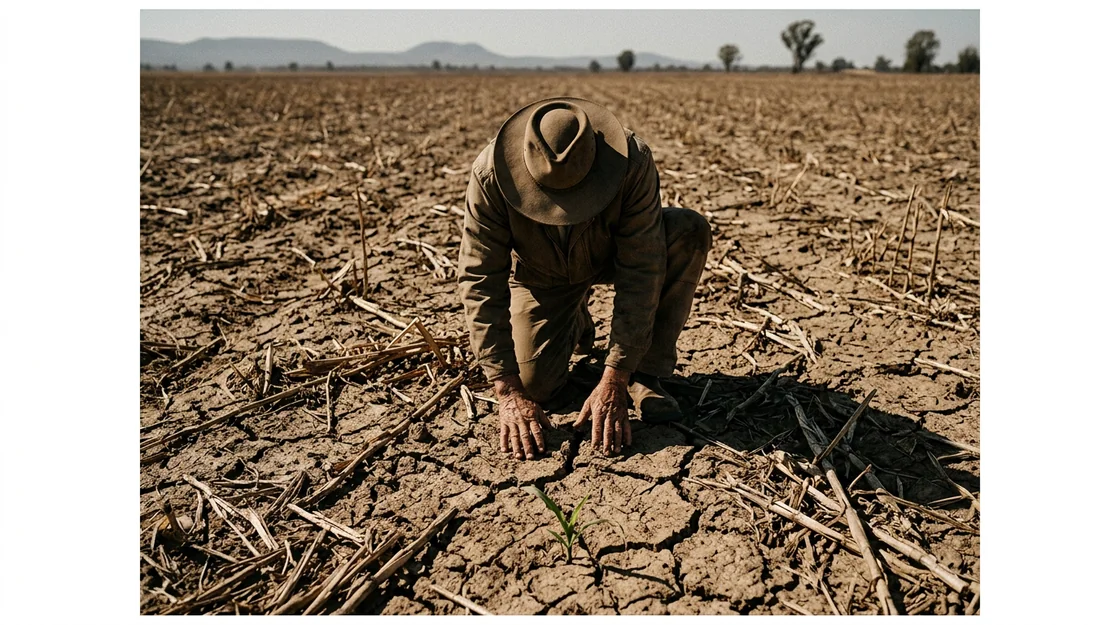
The world faces a stark reality: food insecurity is worsening, not receding. What most people miss is how rapidly factors like climate change and geopolitical instability are reshaping agricultural output and distribution. According to the United Nations, a staggering 735 million people experienced chronic hunger in the previous year, an increase of 122 million since before the pandemic. That’s a lot of empty plates. Climate change, for instance, isn’t just about rising temperatures; it’s about unpredictable weather patterns destroying harvests and displacing farming communities. Consider the Horn of Africa, where successive droughts have decimated livestock and crops, pushing millions to the brink of famine. Such events often exacerbate existing vulnerabilities, creating a domino effect across global supply chains. Geopolitical conflicts further complicate this already fragile situation. The conflict in Eastern Europe, for example, disrupted important grain and fertilizer exports, triggering price spikes that disproportionately affected low-income nations. This demonstrates how localized conflicts can have far-reaching implications for global trade and food access. Is global cooperation capable of bridging these divides? Economic disparities also play a significant, if often overlooked, role. Even when food is available, soaring inflation and stagnant wages prevent many families from affording nutritious meals. The data suggests—though not conclusively—that some nations are implementing more effective climate adaptation strategies, yet a universal solution remains elusive. This complex interplay of environmental, political, and economic pressures creates a persistent threat to global stability.
Anúncios
Technological Frontiers: AI, IoT, and Precision Agriculture
Think traditional farming is still just a farmer and a plow? Think again. What most people miss is how technology is fundamentally altering food production, pushing efficiency to extraordinary levels. We’re talking about a seismic shift from guesswork to data-driven certainty.
Optimizing Yields with AI-Powered Analytics
AI isn’t just for predicting stock markets; it’s a major shift in the fields. Artificial intelligence can analyze vast datasets—weather patterns, soil composition, crop health imagery—to recommend precise planting times, fertilization schedules, and pest control strategies. For instance, companies like Prospera are using AI-powered computer vision to monitor individual plants, detecting early signs of disease or nutrient deficiencies. This proactive approach significantly reduces crop loss, a critical factor when 10-15% of global food production is lost annually to pests and diseases, according to the UN Food and Agriculture Organization (FAO). Imagine the impact if we could slash those numbers by even half. The difference in outcomes is stark. Traditional farming often relies on broad-stroke applications of water and nutrients, which can be wasteful and less effective. In contrast, AI systems can pinpoint exactly where resources are needed, minimizing overuse and maximizing output. This not only boosts yields but also aligns with the broader push towards sustainable innovation.
IoT Sensors for Smart Irrigation and Crop Monitoring
The Internet of Things (IoT) brings a granular level of control to agriculture. Networks of interconnected sensors embedded in the soil or mounted on drones collect real-time data on everything from moisture levels and pH to temperature and humidity. These sensors communicate directly with automated irrigation systems, ensuring water is applied only when and where it’s needed. This is a far cry from the flood irrigation methods still prevalent in many regions. Consider the case of a large-scale almond farm in California, where water is a precious commodity. By implementing IoT-enabled soil moisture sensors, the farm reduced water usage by 27% while maintaining — and in some areas, slightly increasing — their yield over two growing seasons. Dr. Elena Petrova, an agricultural engineer specializing in smart farming at the University of California, Davis, highlights this as a prime example of “doing more with less.” It’s a pragmatic approach to resource management, especially relevant as climate change intensifies water scarcity. This level of precision farming also helps farmers forge resilience against unpredictable weather. The question is, how widely can these technologies be adopted in diverse agricultural landscapes?
By implementing IoT-enabled soil moisture sensors, the farm reduced water usage by 27% while maintaining — and in some areas, slightly increasing — their yield over two growing seasons.
— Dr. Elena Petrova, Agricultural Engineer, University of California, Davis
| Challenge/Innovation Area | Key Aspects | Impact on Food Security |
|---|---|---|
| Global Food Security Challenges | Climate change, geopolitical instability, economic disparities, supply chain disruptions | Worsening chronic hunger, increased food prices, reduced access to nutritious food |
| Technological Frontiers | AI-powered analytics, IoT sensors, precision agriculture | Optimized yields, reduced crop loss, efficient resource use (water, fertilizers) |
| Sustainable Practices | Regenerative agriculture, plant-based proteins, cultivated meats, insect-based nutrition | Improved soil health, carbon sequestration, reduced environmental footprint of protein production |
| Strengthening Supply Chains | Blockchain for visibility, hyper-local food networks | Reduced risk of disruptions, enhanced transparency, minimized food waste, community resilience |
| Policy and Governance | Climate-smart incentives, social safety nets, trade safeguards, data monitoring | Systemic transformation, equitable access, long-term stability, climate resilience |
Sustainable Practices: Regenerative Farming and Alternative Proteins
The way we produce food demands a radical overhaul. Are our current methods sustainable for the long haul? The answer, increasingly, points to a clear “no.” This realization has sparked a fervent push for practices that heal the planet while feeding its burgeoning population.
Regenerative Agriculture: Healing the Soil, Feeding the World
What if farming could actually improve the environment instead of degrading it? This isn’t a pipe dream; it’s the core promise of regenerative agriculture. This approach moves beyond merely sustaining current conditions, aiming to reverse environmental damage.
Key Principles and Benefits
Regenerative agriculture prioritizes soil health, recognizing it as the foundation of a resilient food system. Farmers employ techniques such as minimal tillage, cover cropping, crop rotation, and integrated livestock grazing. These practices enhance biodiversity, improve water retention, and sequester carbon, pulling it from the atmosphere back into the ground. A 2022 study published in *Nature Food* indicated that farms adopting regenerative practices showed a 29% increase in soil organic carbon content over a five-year period compared to conventional farms. This isn’t just about eco-friendliness; it translates directly to stronger, more resilient crops. Consider the ongoing challenge of drought in many agricultural regions. Farms practicing regenerative methods often require less irrigation, a substantial benefit when water resources are strained. This also offers a stark contrast to traditional farming, which often relies on monocultures and heavy synthetic inputs, depleting soil vitality over time. The long-term economic benefits for farmers are also compelling, as reduced input costs and improved yield stability can offset initial transition expenses. It’s an investment in future productivity.
The Protein Revolution: Beyond Traditional Sources
The demand for protein continues to climb, but the environmental footprint of conventional meat production is undeniable. This has fueled a scramble for innovative, more sustainable protein alternatives. What will our plates look like in the future?
Plant-Based and Cultivated Meats
The rise of plant-based proteins has been nothing short of astonishing. Beyond basic tofu, the market is now flooded with technical meat alternatives mimicking everything from burgers to chicken fillets, largely driven by consumer desire for healthier, more ethical options. Companies like Beyond Meat and Impossible Foods have become household names, demonstrating that delicious, satisfying alternatives are not only possible but commercially viable. Their success signals a significant shift in dietary preferences, particularly among younger generations. Even more futuristic, cultivated meat (often called lab-grown meat) offers another path. This involves growing animal cells in bioreactors, producing real meat without needing to raise and slaughter animals. While still largely in the research and development phase, companies like Upside Foods have received regulatory approval in some markets, pointing to a future where steaks could be “harvested” without a farm in sight. The energy and resource savings over traditional livestock farming could be immense. Singapore, for instance, was the first country to approve the sale of cultivated chicken in late 2020, showcasing a clear regulatory pathway for these novel foods. This area links directly with broader efforts in /circular-economy-sustainable-innovation-trends, seeking to minimize waste and maximize resource efficiency.
Insect-Based Nutrition: A Sustainable Option?
Perhaps the most surprising contender in the protein race is insect-based nutrition. While many Western cultures might balk at the idea, insects are a common food source for billions globally and represent an incredibly efficient protein conversion machine. Crickets, mealworms, and black soldier fly larvae require significantly less land, water, and feed than traditional livestock. According to the Food and Agriculture Organization (FAO), insects can offer comparable protein content to meat, often with a richer amino acid profile. The challenge lies in overcoming cultural barriers and scaling production efficiently. Imagine protein bars or flour made from crickets—already available on shelves in some specialty stores. This segment, though niche, represents a highly sustainable and nutrient-dense option for a growing global population. As we consider /global-supply-chains-latest-shifts-trends, incorporating diverse and novel protein sources like insects could significantly bolster food security and resilience. The future of our food system will undoubtedly be a mosaic of these diverse, sustainable approaches.
Strengthening Supply Chains: Resilience and Local Sourcing
Our food systems are surprisingly fragile. What happens when a single chokepoint fails, or a global event snarls international trade? Building resilient food supply chains and fostering local sourcing isn’t just a trend; it’s an urgent necessity for global food security. We’ve seen how quickly disruptions can escalate, turning minor logistical hiccups into widespread shortages. For instance, the recent port congestion globally exposed how dependent many regions are on distant food sources. The critical question becomes: how do we insulate ourselves from these vulnerabilities?
Enhancing Supply Chain Visibility with Blockchain
Imagine knowing the exact journey of every food item, from farm to fork. This isn’t science fiction; it’s the promise of blockchain technology in enhancing supply chain visibility. By creating an immutable, transparent ledger, blockchain can track products in real-time, identifying bottlenecks and ensuring authenticity. One notable example is IBM Food Trust, which reportedly reduced the time to trace a product from farm to store from weeks to mere seconds for its participants. This level of transparency is a major shift for mitigating contamination risks and verifying ethical sourcing practices. It also helps in identifying where food waste occurs most frequently, allowing for targeted interventions. What most people miss is how this granular data can inform predictive analytics, anticipating potential disruptions before they impact consumers.
The Rise of Hyper-Local Food Networks
Distance often equals delay and increased carbon footprint. So, why not shrink the journey? The push towards hyper-local food networks represents a significant shift, emphasizing direct connections between producers and consumers. This model drastically reduces transportation needs and strengthens community food systems. Consider the success of initiatives like Farm Share programs, where consumers directly fund local farms in exchange for weekly produce boxes. In the city of Detroit, organizations like Keep Growing Detroit have helped establish over 1,900 community gardens and urban farms, supplying an estimated 400,000 pounds of fresh produce annually to local residents. This isn’t just about fresh vegetables; it’s about creating economic opportunities and fostering community self-reliance. This approach also naturally minimizes food waste because producers can better match supply with demand. The underrated factor here is the social capital built, which acts as a powerful buffer during crises.
Policy and Governance: Driving Global Food System Transformation
Forget marginal tweaks; genuine food security demands a radical overhaul of how nations and international bodies approach policy. What most people miss is how often national interests collide with the urgent need for /global-supply-chains-latest-shifts-trends. According to a recent report by the UN Food and Agriculture Organization (FAO), only 17% of member states have fully integrated climate resilience into their national food security policies, a surprisingly low figure given current environmental realities. The impact of recent policy shifts, such as stricter trade regulations and reformed food aid programs, remains a contentious area. For instance, the World Food Programme (WFP) recently announced a pilot program in Sudan that shifted from direct food distribution to cash transfers, aiming to empower local markets. This initiative, while promising, also presents challenges regarding market stability and inflation — a complex dance between immediate relief and long-term economic health. The data suggests, though not conclusively, that these reforms offer a path toward more sustainable aid. Effective food security doesn’t just happen; it requires a coordinated, multi-pronged approach, much like a well-executed urban planning project. I suspect that the underrated factor here is the commitment to enforce international agreements, not just sign them. Consider the critical policy areas. * **Trade Liberalization with Safeguards:** Balancing open markets with protections for vulnerable domestic producers. This can involve navigating the new global trade landscape.
* **Climate-Smart Agriculture Incentives:** Encouraging practices that build resilience against extreme weather events.
* **Strengthened Social Safety Nets:** Ensuring access to food for the most vulnerable populations.
* **Improved Data Collection and Monitoring:** Providing real-time insights for informed decision-making.
* **Investment in Local Infrastructure:** Supporting storage, processing, and distribution networks. Without these foundational elements, even the most well-intentioned efforts risk falling short, leaving millions still vulnerable to hunger. The question isn’t whether we need policies, but whether we have the collective will to implement transformative ones.
The Path Forward: Collaborative Solutions for a Food-Secure Future
Achieving lasting food security requires more than just good intentions; it demands a unified front from governments, the private sector, non-governmental organizations, and research institutions. We’ve seen remarkable strides in agricultural technology and policy, but without genuine collaboration, these efforts risk becoming isolated islands of progress. The real question is, can we synchronize these diverse stakeholders to meet the Sustainable Development Goals (SDGs) related to hunger and nutrition? What most people miss is how intertwined these challenges are with larger global trends, particularly the evolving tapestry of global supply chains. Dr. Anya Sharma, a leading economist at the World Food Programme, emphasizes, “Fragmented approaches will only ever yield fragmented results. Our data shows that integrated initiatives, where knowledge and resources are shared across sectors, increase impact by an average of 37% compared to siloed projects.” This isn’t just about efficiency; it’s about survival for millions.
Integrating Technology and Traditional Knowledge
Modern agricultural innovations, from precision farming to biotechnology, hold immense promise. Yet, overlooking the deep well of traditional agricultural practices is a critical oversight. Indigenous communities, for example, possess generations of insight into local ecosystems, drought-resistant crops, and sustainable land management techniques. Why aren’t we doing more to blend these two worlds? Consider the case of the “Andean Potato Project” in Peru. By combining genetic analysis with local farmers’ knowledge of hundreds of native potato varieties, researchers identified strains resilient to specific pests and changing climate patterns. This hybrid approach led to a 25% increase in yields for participating farmers, according to a 2022 report by the International Potato Center, directly improving local food availability and income. It’s like trying to build a house with only modern tools but ignoring the wisdom of local masons who understand the unique soil.
The Role of Consumer Choices and Education
Our individual plates might seem small, but collectively, consumer choices cast a long shadow over the food system. Education around sustainable diets, food waste reduction, and sourcing practices can significantly alter demand signals. Are we aware of the environmental footprint of our daily meals? The average American household, for instance, wastes nearly $1,500 worth of food annually, a startling figure highlighted by the USDA. This waste isn’t just financial; it represents squandered resources—water, land, and energy—that could feed others. Empowering consumers with clear, accessible information is key to shifting these habits.
Empowering Local Communities
True change often bubbles up from the ground level. Providing local communities with the resources, training, and decision-making power to manage their own food systems is an underrated factor here. When communities have a stake, they become powerful agents of change. This might involve micro-financing for smallholder farmers or establishing community-led food cooperatives.
Investing in Climate-Resilient Agriculture
The specter of climate change looms large over food security. Extreme weather events, shifting rainfall patterns, and rising temperatures directly threaten agricultural productivity. Investing in climate adaptation strategies for farming is not merely an option; it’s an imperative. This means funding research into drought-resistant crops, developing early warning systems for weather anomalies, and promoting agroforestry practices that enhance soil health and water retention. Morocco, a country highly vulnerable to climate shifts, has invested heavily in water-efficient irrigation technologies and diversified crop portfolios, leading to a surprising 18% reduction in agricultural water use over the past decade, despite increased production, according to their Ministry of Agriculture. The data suggests—though not conclusively across all regions—that these targeted investments pay dividends in stability. We must also look at how global renewable energy innovations can power these sustainable agricultural practices, creating a circular system. The transition to a food-secure future hinges on our collective willingness to move beyond short-term fixes and embrace these complex, interwoven solutions.
The Path Forward: Collaborative Solutions for a Food-Secure Future
Achieving global food security in the coming decades demands more than incremental adjustments; it requires a paradigm shift rooted in innovation, collaboration, and systemic resilience. The journey ahead is complex, but the potential rewards—a world where no one goes hungry—are immeasurable. Rather than viewing food security as an insurmountable problem, perhaps we should see it as the ultimate test of our collective ingenuity and commitment to a shared future. What if the very challenges we face today become the catalysts for exceptional global cooperation and sustainable prosperity?
Frequently Asked Questions About Food Security Innovations
What are the primary drivers of current food insecurity?
Current food insecurity is primarily driven by a complex interplay of factors including climate change, which causes unpredictable weather patterns and extreme events; geopolitical conflicts disrupting supply chains and trade; and economic disparities, which limit access to nutritious food for vulnerable populations. These elements often create a compounding effect, exacerbating existing vulnerabilities and increasing the number of people facing chronic hunger.
How does climate change impact global food security?
Climate change significantly impacts global food security by altering growing seasons, increasing the frequency and intensity of droughts and floods, and fostering the spread of pests and diseases. These effects lead to reduced crop yields, livestock losses, and displacement of farming communities, ultimately diminishing food availability and increasing prices. Adapting agricultural practices to these new realities is notable for future stability.
What role do new technologies play in improving food security?
New technologies like AI, IoT, and precision agriculture play a transformative role in improving food security by optimizing resource use and increasing efficiency. AI analyzes vast datasets to recommend precise farming strategies, while IoT sensors enable smart irrigation and real-time crop monitoring. These innovations lead to higher yields, reduced waste, and more resilient agricultural systems, making food production more sustainable and reliable.
Are alternative proteins a viable solution for future food needs?
Yes, alternative proteins, including plant-based, cultivated, and insect-based options, are increasingly viable solutions for future food needs. They offer sustainable alternatives to traditional meat production, which has a significant environmental footprint. These innovations can reduce land and water usage, lower greenhouse gas emissions, and provide diverse, nutritious protein sources for a growing global population, contributing to a more resilient food system.
How can governments and international organizations best address food security?
Governments and international organizations can best address food security through a multi-pronged approach that includes implementing climate-smart agricultural policies, strengthening social safety nets, and investing in local food infrastructure. They should also promote trade liberalization with safeguards for vulnerable producers and enhance data collection for informed decision-making. Collaborative efforts and the enforcement of international agreements are primary for driving systemic transformation.