
Anúncios
Navigating the Latest Digital Divide: Strategies for Bridging Access Gaps for 5 Million Americans by January 2026
Anúncios
In an increasingly interconnected world, access to the internet is no longer a luxury but a fundamental necessity. From education and employment to healthcare and civic participation, digital connectivity underpins nearly every facet of modern life. Yet, for millions of Americans, the promise of the digital age remains out of reach. This persistent disparity, often referred to as the digital divide, disproportionately affects rural communities, low-income households, senior citizens, and various minority groups. Our ambitious goal: to bridge this digital divide for 5 million Americans by January 2026. This article will delve into the multifaceted challenges contributing to this gap and outline comprehensive strategies designed to achieve this critical objective.
Understanding the Modern Digital Divide
The concept of the digital divide has evolved significantly since its inception. Initially, it primarily referred to the stark difference between those who had access to computers and the internet and those who did not. Today, the issue is far more nuanced, encompassing not just physical access but also affordability, digital literacy, and the availability of relevant content and services. It’s not enough to simply provide an internet connection; individuals need functional devices, the skills to use them effectively, and genuinely useful reasons to engage with the digital world.
Anúncios
Several key factors contribute to the persistence of the digital divide:
- Broadband Infrastructure Gaps: Many rural and remote areas lack the necessary infrastructure to support high-speed internet. Laying fiber optic cables or deploying advanced wireless solutions in sparsely populated regions is often deemed cost-prohibitive by internet service providers (ISPs), leaving these communities underserved or unserved.
- Affordability: Even where broadband is available, the cost can be a significant barrier. Monthly internet bills, coupled with the expense of devices like computers or tablets, can be prohibitive for low-income families, forcing them to choose between essential services.
- Digital Literacy and Skills: Simply having access to technology doesn’t guarantee its effective use. Many individuals, particularly older adults or those with limited educational opportunities, lack the fundamental digital skills needed to navigate the internet, use online tools, or discern reliable information. This ‘usage divide’ is a critical component of the modern digital divide.
- Access to Devices: The cost of computers, laptops, and even smartphones can be a major hurdle. Without appropriate devices, even a free internet connection offers limited utility.
- Relevance and Trust: For some communities, there might be a perception that the internet isn’t relevant to their daily lives, or a lack of trust in online platforms, particularly concerning privacy and security.
Addressing these complex layers requires a holistic and coordinated approach, integrating technological solutions with policy changes, educational initiatives, and community engagement. Our target of 5 million Americans by 2026 is ambitious but achievable with focused effort on bridging digital divide.
Pillar 1: Expanding and Upgrading Broadband Infrastructure
The foundational step in bridging digital divide is ensuring robust internet infrastructure. This involves significant investment and strategic deployment across unserved and underserved areas. The government, private sector, and non-profit organizations must work in concert to accelerate the build-out of reliable, high-speed broadband.
Government Initiatives and Funding
Federal programs like the Broadband Equity, Access, and Deployment (BEAD) program, the Affordable Connectivity Program (ACP), and various USDA ReConnect grants are crucial. These initiatives provide billions of dollars to states and territories to expand broadband infrastructure, particularly in rural and high-cost areas. Effective utilization of these funds requires:
- Targeted Allocation: States must meticulously identify unserved and underserved areas to ensure funding reaches those most in need, avoiding duplication and maximizing impact.
- Streamlined Permitting: Bureaucratic hurdles and lengthy permitting processes can significantly delay infrastructure projects. Governments at all levels need to streamline these processes to accelerate deployment.
- Public-Private Partnerships: Encouraging collaboration between local governments, utility companies, and ISPs can leverage resources and expertise, fostering more efficient and sustainable broadband expansion.
Innovative Technologies for Connectivity
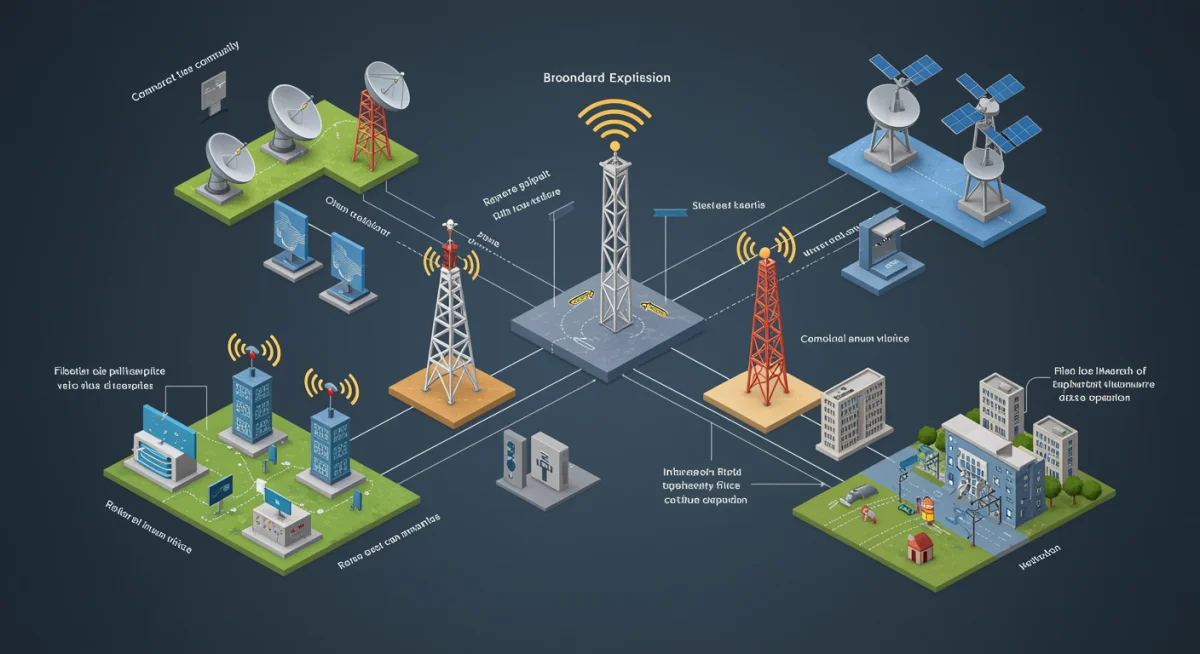
While fiber optics remain the gold standard, other technologies offer viable solutions for challenging terrains and remote locations:
- Fixed Wireless Access (FWA): FWA can provide high-speed internet over radio waves to homes and businesses without the need for physical cables, making it a cost-effective option for rural areas.
- Satellite Internet: Advancements in low Earth orbit (LEO) satellite constellations, like Starlink, are dramatically improving satellite internet performance, offering a promising solution for the most remote regions.
- 5G Networks: The ongoing rollout of 5G infrastructure can also contribute to bridging digital divide, particularly in urban and suburban areas, offering competitive alternatives to traditional broadband.
- Community Networks: Local governments and community groups can establish their own broadband networks, often providing more affordable and responsive services tailored to local needs.
Pillar 2: Ensuring Affordability and Device Access
Even with widespread infrastructure, the cost of internet service and devices remains a formidable barrier. Addressing affordability is paramount to truly bridging digital divide.
Subsidies and Assistance Programs
The Affordable Connectivity Program (ACP) has been a lifeline for millions, providing a monthly discount on internet service and a one-time discount on a connected device. Sustaining and expanding such programs is critical. This includes:
- Long-term Funding for ACP: Advocating for continued and robust federal funding for programs like ACP is essential to prevent a cliff effect for current beneficiaries.
- Public Awareness Campaigns: Many eligible households are unaware of these programs. Extensive outreach campaigns, in multiple languages, are needed to inform and assist potential beneficiaries with enrollment.
- ISP Partnerships: Encouraging ISPs to offer low-cost internet plans specifically designed for low-income households, often in conjunction with government subsidies, can further reduce financial burdens.
Device Access Initiatives
A reliable device is as important as a reliable connection. Strategies for increasing device access include:
- Device Refurbishment Programs: Non-profit organizations and community centers can collect, refurbish, and distribute used computers and laptops to those in need.
- Bulk Purchasing and Subsidies: Governments or large organizations can negotiate bulk discounts on devices and offer them at subsidized rates or as part of assistance packages.
- Donation Drives: Encouraging corporations and individuals to donate old but functional devices can create a sustainable supply chain for redistribution.

Pillar 3: Enhancing Digital Literacy and Skills
The ability to effectively use digital tools and navigate the online world is a cornerstone of digital inclusion. Without digital literacy, even free internet and devices are underutilized. This pillar focuses on empowering individuals with the knowledge and skills they need to thrive in the digital age, a critical step in bridging digital divide.
Community-Based Training Programs
Local libraries, community centers, schools, and non-profit organizations are ideal venues for offering digital literacy training. These programs should be:
- Accessible: Offered in convenient locations, at flexible times, and in multiple languages to accommodate diverse populations.
- Tailored: Curricula should be adapted to the specific needs of different groups, addressing basic computer skills for beginners, online job search strategies for job seekers, or cybersecurity awareness for seniors.
- Hands-on: Practical, hands-on experience with devices and software is crucial for building confidence and competence.
- Train-the-Trainer Models: Developing programs that train community leaders and volunteers to become digital literacy instructors can create a sustainable network of support.
Integrating Digital Skills into Education
From K-12 education to adult learning programs, integrating digital skills into formal and informal education systems is vital:
- Curriculum Development: Schools should embed digital literacy, coding, and critical thinking about online information into their core curricula.
- Teacher Training: Educators need ongoing professional development to stay current with technology and effectively teach digital skills.
- Adult Education: Community colleges and adult learning centers can offer courses on topics ranging from basic computer operation to advanced software applications, helping adults re-skill or upskill for the modern workforce.
Targeted Outreach and Support
Specific populations require tailored approaches to digital literacy:
- Seniors: Programs designed for older adults should focus on internet safety, connecting with family, accessing telehealth services, and combating social isolation.
- Individuals with Disabilities: Ensuring accessibility features are understood and utilized, and providing adaptive technology training.
- ESL Learners: Offering digital literacy content in native languages and providing language support during training sessions.
Pillar 4: Fostering Digital Inclusion and Innovation
Beyond infrastructure, affordability, and skills, true digital inclusion involves creating an environment where technology genuinely enhances lives. This means fostering innovation that serves diverse needs and ensuring the digital world is a safe and welcoming space for all, significantly aiding in bridging digital divide.
Developing Relevant Content and Services
The internet’s value proposition must be clear and compelling for all users. This involves:
- Local Content Creation: Encouraging the development of online content and services that are relevant to specific communities, addressing local needs in areas like agriculture, small business, or local governance.
- Telehealth Expansion: Further integrating telehealth services, especially in rural areas, can demonstrate the tangible benefits of internet access for health outcomes.
- Online Learning Resources: Expanding access to online educational platforms and resources, from K-12 supplementary materials to vocational training, can empower individuals to pursue lifelong learning.
- Civic Engagement Platforms: Developing user-friendly platforms for civic participation, allowing citizens to engage with local government, access public services, and contribute to community decision-making.
Ensuring Online Safety and Privacy
Concerns about online safety and privacy can deter individuals from engaging with the internet. Addressing these concerns is vital for bridging digital divide:
- Cybersecurity Education: Comprehensive education on identifying phishing scams, protecting personal information, and creating strong passwords.
- Parental Controls: Providing resources and guidance for parents to ensure a safe online environment for children.
- Data Privacy Awareness: Informing users about their rights regarding data privacy and how to manage their online footprint.
Innovation for Accessibility
Technological innovation should continuously strive for greater accessibility. This includes:
- Universal Design: Encouraging developers to adopt universal design principles, ensuring websites and applications are usable by individuals with diverse abilities.
- Assistive Technologies: Promoting awareness and access to assistive technologies that can help individuals with disabilities interact with digital content.
- Voice and AI Interfaces: Leveraging advancements in voice recognition and artificial intelligence to create more intuitive and accessible digital experiences.
Measuring Progress and Ensuring Accountability
Achieving the goal of bridging digital divide for 5 million Americans by January 2026 requires rigorous tracking and evaluation. Robust data collection and transparent reporting are essential to measure progress, identify areas needing more attention, and ensure accountability.
Key Metrics for Success
To effectively monitor progress, we need to establish clear, measurable metrics:
- Broadband Subscription Rates: Tracking the percentage of households with a broadband subscription in previously unserved or underserved areas.
- Digital Literacy Assessment Scores: Implementing standardized assessments to measure improvements in digital skills across target populations.
- Device Ownership Rates: Monitoring the increase in households owning at least one functional computing device.
- Usage Patterns: Analyzing data on how frequently and for what purposes newly connected individuals are using the internet (e.g., education, employment, healthcare).
- User Satisfaction and Impact: Conducting surveys and qualitative studies to understand the perceived benefits and challenges faced by individuals after gaining digital access and skills.
Data Collection and Reporting
A centralized data collection system, potentially managed by a federal agency or a consortium of organizations, would be invaluable. This system should:
- Aggregate Data: Collect data from ISPs, government programs, educational institutions, and non-profit organizations.
- Geospatial Mapping: Utilize GIS technology to visualize broadband coverage gaps and track the deployment of new infrastructure in real-time.
- Public Dashboards: Create publicly accessible dashboards that display progress towards the 2026 goal, broken down by state, county, and demographic group. This transparency fosters public trust and allows for community-level insights.
Accountability Mechanisms
To ensure all stakeholders are held accountable, mechanisms should be in place:
- Regular Audits: Independent audits of funding allocation and project implementation to ensure efficiency and prevent misuse of resources.
- Performance Reviews: Periodic reviews of programs and initiatives to assess their effectiveness and make necessary adjustments.
- Community Feedback Loops: Establishing channels for communities to provide feedback on the quality of internet service, training programs, and device access. This direct input is crucial for continuous improvement and for truly bridging digital divide.
Challenges and Roadblocks Ahead
While the goal is clear, the path to bridging digital divide for 5 million Americans by 2026 is fraught with challenges. Anticipating and strategizing for these roadblocks is crucial for success.
Funding Sustainability
Many initiatives rely on significant government funding, which can be subject to political shifts and budget constraints. Ensuring long-term, stable funding for broadband infrastructure, affordability programs, and digital literacy initiatives is a continuous challenge. Diversifying funding sources, including private investment and philanthropic contributions, will be essential.
Evolving Technological Landscape
Technology is constantly evolving. What constitutes ‘high-speed internet’ today may be insufficient tomorrow. Infrastructure investments must be future-proofed to avoid creating new divides as technology advances. This requires flexible policies and a willingness to adapt to new solutions.
Digital Redlining and Equity Concerns
Even with new infrastructure, there’s a risk of perpetuating or creating new forms of digital redlining, where certain neighborhoods or demographics are still underserved. Policies must explicitly address equity, ensuring that broadband deployment and access programs reach all segments of the population, not just the easiest or most profitable areas to serve.
Workforce Development
The ambitious scale of broadband deployment and digital literacy training requires a skilled workforce. There’s a need for more fiber technicians, network engineers, and digital literacy instructors. Investing in vocational training programs and apprenticeships is essential to meet this demand.
Cross-Sector Collaboration
True success depends on seamless collaboration between federal, state, and local governments, ISPs, hardware manufacturers, non-profit organizations, educational institutions, and community leaders. Siloed efforts will hinder progress. Building robust, sustained partnerships requires effective communication, shared goals, and mutual accountability for bridging digital divide.
Conclusion: A Connected Future for All
The mission to bridge the digital divide for 5 million Americans by January 2026 is not merely a technological undertaking; it is a societal imperative. It is about unlocking opportunities, fostering economic growth, improving health outcomes, and strengthening democratic participation. By focusing on robust infrastructure, ensuring affordability, enhancing digital literacy, and fostering an inclusive digital environment, we can systematically dismantle the barriers that prevent millions from participating fully in the digital age.
The strategies outlined—from government funding and innovative technologies to community-based training and persistent advocacy for affordability—form a comprehensive roadmap. Success will require sustained commitment, innovative thinking, and collaborative action from every sector. As we move towards 2026, let us reaffirm our dedication to a future where digital access is a universal right, not a privilege, ensuring that no American is left behind in the journey towards a truly connected world. Bridging digital divide is not just a goal; it’s the foundation for an equitable and prosperous future.