
Anúncios
The Rise of Bio-Digital Convergence: 5 Ethical Considerations for US Society by 2026
The dawn of the 21st century has brought with it an unprecedented acceleration of technological advancement, pushing the boundaries of what was once considered science fiction into tangible reality. Among the most transformative and perhaps challenging shifts is the burgeoning field of bio-digital convergence. This phenomenon describes the symbiotic integration of biological and digital systems, where the lines between human, machine, and information become increasingly blurred. From neural implants that restore sight or movement to wearable technologies that monitor our every physiological function, and even synthetic biology that designs life itself, the implications are staggering. By 2026, the United States society will be grappling with the profound ethical dimensions of this convergence, demanding careful consideration and proactive policy-making.
Anúncios
The pace of innovation in bio-digital technologies is relentless. We are witnessing breakthroughs in genetic engineering, advanced prosthetics, brain-computer interfaces (BCIs), and personalized medicine that leverage vast amounts of biological data. These advancements promise incredible benefits: curing diseases, enhancing human capabilities, and revolutionizing how we interact with the world. However, with great power comes great responsibility, and the ethical landscape of bio-digital ethics is complex and fraught with potential pitfalls. This article will delve into five critical ethical considerations that US society must confront as bio-digital convergence becomes an undeniable reality by 2026.
Anúncios
1. The Erosion of Privacy and Data Security in a Bio-Digital World
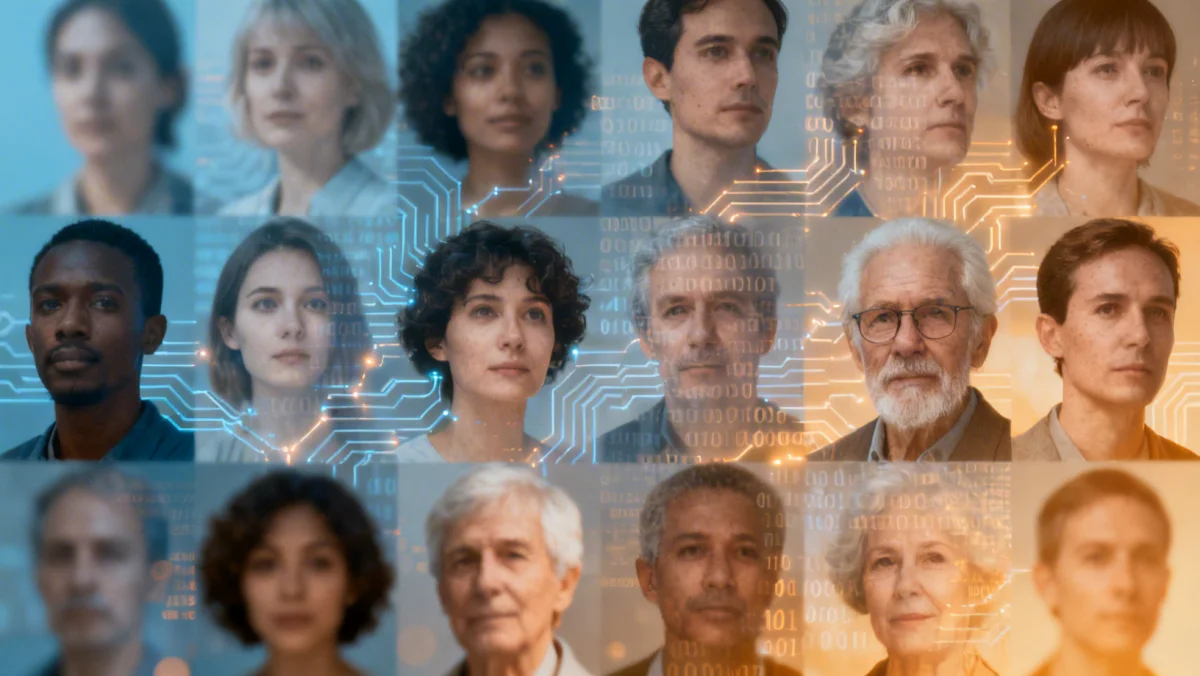
One of the most immediate and pervasive ethical challenges posed by bio-digital convergence is the erosion of personal privacy and the concomitant risks to data security. As biological and digital systems merge, an unprecedented volume of highly sensitive personal data will be generated, collected, and analyzed. This includes everything from genomic sequences and biometric identifiers to real-time physiological data streamed from implants or wearables, and even neural activity patterns from BCIs.
Consider the implications: your genetic predispositions to certain diseases, your emotional responses measured by a smart device, or even your thoughts, if BCIs become sufficiently advanced, could all be digitized and stored. Who owns this data? How will it be protected from unauthorized access, misuse, or even sale? The current legal frameworks surrounding data privacy, primarily designed for digital information, are often ill-equipped to handle the unique sensitivity and scope of bio-digital data. Existing regulations like HIPAA (Health Insurance Portability and Accountability Act) in the US offer some protection for health information, but they may not comprehensively cover the vast array of bio-digital data generated outside traditional healthcare settings, or when it’s integrated with non-health-related digital profiles.
By 2026, we will likely see a proliferation of bio-digital devices and services, making data breaches far more catastrophic. A breach of bio-digital data could not only expose intimate personal details but also lead to identity theft on an unprecedented scale, discrimination based on genetic predispositions, or even the manipulation of individuals through their bio-digital profiles. Establishing robust legal and ethical frameworks for data ownership, consent, anonymization, and security will be paramount. This includes developing new encryption methods specifically for bio-digital data, implementing strict access controls, and ensuring transparency about how this data is collected, used, and shared. Without these safeguards, the promise of bio-digital convergence could quickly devolve into a surveillance nightmare, fundamentally altering the nature of individual privacy in US society.
Furthermore, the concept of consent becomes more complex. How can individuals truly provide informed consent when the long-term implications of sharing their bio-digital data are not fully understood? The dynamic nature of bio-digital interaction means that data collection may be continuous and pervasive, making it difficult for individuals to opt-out or revoke consent effectively. The challenge lies in creating systems where individuals retain meaningful control over their most intimate information, even as it becomes increasingly integrated with digital infrastructure. The discussion around bio-digital ethics must prioritize the development of ethical guidelines and regulatory bodies specifically tasked with overseeing this new frontier of data governance.
2. Equitable Access and the Widening Socioeconomic Divide
As with many groundbreaking technologies, there is a significant risk that the benefits of bio-digital convergence will not be distributed equitably, potentially exacerbating existing socioeconomic divides within US society. Advanced bio-digital enhancements, therapies, and access to personalized health insights are likely to be expensive and initially available only to the affluent. This could lead to a ‘bio-digital divide,’ where those with financial means can access enhancements that improve their health, cognitive abilities, or physical capabilities, while those without are left behind.
Imagine a future where enhanced individuals have a competitive advantage in education, employment, and even social standing. This could create a new form of inequality, not just in wealth or opportunity, but in fundamental human capabilities. The ethical question then becomes: what responsibility does society have to ensure equitable access to technologies that could redefine what it means to be human? Should access to life-saving or life-enhancing bio-digital interventions be a universal right, or a commodity available only to those who can afford it?
By 2026, as bio-digital technologies mature, the pressure to address this disparity will intensify. Policy discussions will need to explore mechanisms for making these technologies accessible to all, such as government subsidies, public health initiatives, or regulations that cap prices. Without proactive measures, the US could see the emergence of a two-tiered society: a bio-digitally enhanced elite and a disempowered majority. This would not only be unjust but could also lead to significant social unrest and instability.
The principles of distributive justice are central to this ethical consideration. How do we ensure that the transformative potential of bio-digital convergence uplifts all of humanity, rather than creating new forms of segregation? This involves not only financial considerations but also addressing geographical disparities in access to advanced healthcare and technological infrastructure. Rural communities, for instance, might be further disadvantaged if bio-digital clinics and expertise are concentrated in urban centers. Addressing the ethical implications of bio-digital ethics in relation to equity will require a societal commitment to inclusive innovation and access.
3. The Challenge to Human Autonomy and Free Will
The integration of digital systems directly with our biology and minds raises profound questions about human autonomy and free will. Brain-computer interfaces, for example, could allow external entities to influence our thoughts, emotions, or decisions, or even to monitor them without our explicit awareness. While these technologies promise to restore function to those with disabilities, their potential for manipulation or coercion is a serious ethical concern.
Consider the potential for advertisers to target us not just through our screens, but through direct neural pathways, influencing our desires and choices at a subconscious level. Or the possibility of governments or corporations using bio-digital technologies to monitor or even modify the behavior of citizens or employees. The line between therapeutic intervention and control could become dangerously blurred. If our decisions are subtly influenced by external algorithms or direct neural stimulation, how free are we truly?
By 2026, as BCIs and neuro-technologies advance, safeguarding individual autonomy will become a critical ethical battleground. This will necessitate stringent regulations on the development and deployment of such technologies, ensuring that individuals retain ultimate control over their own minds and bodies. Informed consent in this context takes on a new dimension, requiring not just agreement to use a device, but a deep understanding of its potential to influence one’s internal experience.
Furthermore, the concept of ‘digital personhood’ might emerge, where the digital representation of an individual’s consciousness or cognitive patterns could be subject to manipulation or even theft. This raises questions about mental privacy and the right to cognitive liberty. The ethical framework for bio-digital ethics must evolve to protect these fundamental aspects of human existence, ensuring that technology serves to empower individuals rather than diminish their intrinsic freedom. Debates around ‘neuro-rights’ – the right to mental privacy, cognitive liberty, and protection from neuro-manipulation – are already gaining traction and will be central to policy discussions.
4. Cybersecurity Risks and the Vulnerability of Bio-Digital Systems
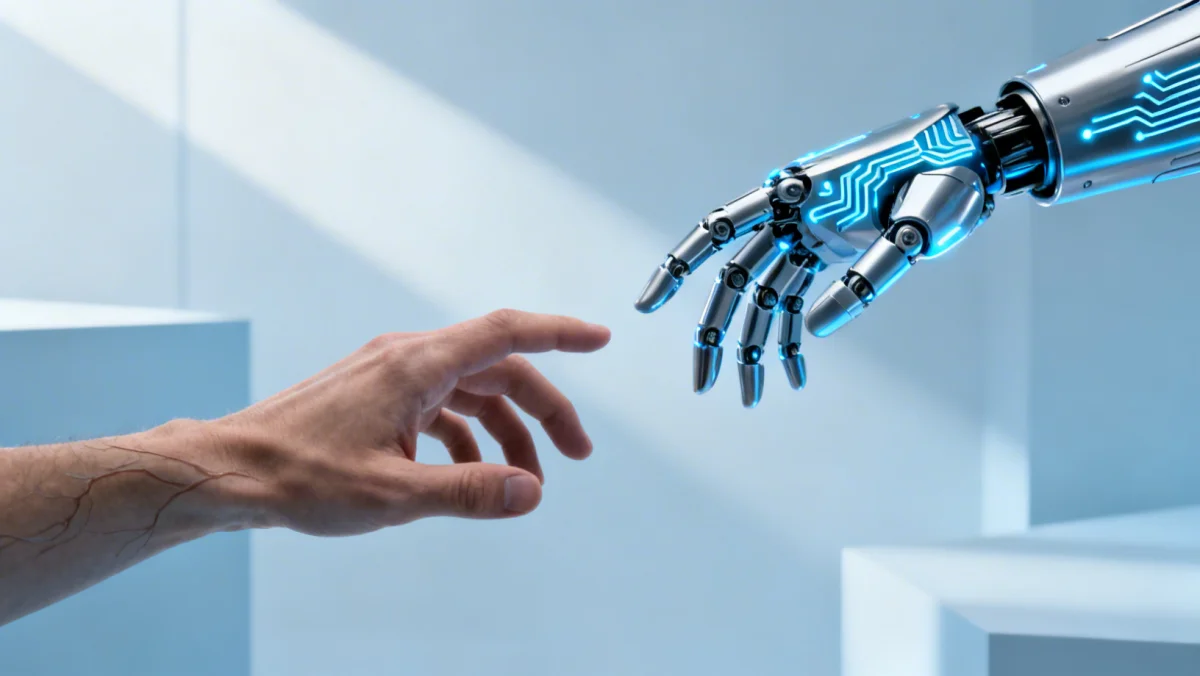
Just as our digital lives are constantly under threat from cyberattacks, the integration of biological and digital systems introduces an entirely new and potentially catastrophic dimension of cybersecurity risk. Imagine a scenario where a pacemaker, insulin pump, or neural implant is hacked. The consequences could be life-threatening, not just for individuals, but potentially for entire populations if critical bio-digital infrastructure is compromised.
The stakes are incredibly high. A cyberattack on a traditional IT system might lead to financial losses or data breaches; an attack on a bio-digital system could lead to physical harm, incapacitation, or even death. Malicious actors could exploit vulnerabilities to alter medical data, shut down vital life-support systems, or even launch bio-terror attacks by manipulating genetic information or synthetic biology platforms. The interconnectedness of these systems means that a single point of failure or compromise could have cascading effects.
By 2026, society will need to confront the urgent need for robust cybersecurity protocols specifically designed for bio-digital systems. This includes developing hardware and software that are intrinsically secure, implementing rigorous testing and auditing processes, and establishing rapid response mechanisms for bio-digital cyber incidents. Collaboration between cybersecurity experts, biomedical engineers, policymakers, and ethicists will be crucial to building resilient and trustworthy bio-digital infrastructure.
The ethical obligation to protect individuals from these new forms of harm is immense. It requires a proactive approach to security by design, rather than as an afterthought. Furthermore, educating the public about the risks and safe practices associated with bio-digital technologies will be vital. The concept of ‘bio-security’ will expand beyond traditional biological threats to encompass the digital vulnerabilities of biological systems. The foresight and preventative measures taken in developing a comprehensive framework for bio-digital ethics will determine our resilience against these emerging threats.
5. Redefining Human Identity and the Nature of Humanity
Perhaps the most profound ethical consideration of bio-digital convergence by 2026 is its potential to fundamentally redefine what it means to be human. As we integrate more technology into our bodies and minds, and as synthetic biology allows us to engineer life itself, the traditional boundaries of human identity, biology, and even consciousness become fluid. Are enhanced humans still ‘natural’? What happens when artificial intelligence becomes indistinguishable from human intelligence, or when our memories and personalities can be uploaded or downloaded?
These are not merely philosophical questions; they have direct societal implications. Concepts like human rights, legal personhood, and moral responsibility are deeply rooted in our understanding of what constitutes a human being. If individuals can augment their cognitive abilities to superhuman levels, does it create a new class of beings? How do we integrate cyborgs, genetically modified humans, or individuals with extensive neural implants into society without creating new stigmas or hierarchies?
The ethical debate around human enhancement is particularly contentious. While therapeutic applications that restore normal function are generally welcomed, elective enhancements that push human capabilities beyond natural limits raise concerns about fairness, authenticity, and the very essence of human experience. Do we risk losing something intrinsically human in the pursuit of perfection or efficiency? The concept of ‘post-humanism’ moves from philosophical speculation to a tangible societal discussion.
By 2026, society will need to engage in broad, inclusive conversations about these existential questions. We must develop ethical guidelines that balance the pursuit of progress with the preservation of human dignity and diversity. This includes fostering public understanding, engaging religious and philosophical leaders, and ensuring that policy decisions reflect a wide range of societal values. The challenge for bio-digital ethics is to navigate this transformative era with wisdom, ensuring that technological advancement serves humanity’s best interests, rather than eroding our core identity. It demands a re-evaluation of our moral compass in light of capabilities that were once unimaginable.
Conclusion: Navigating the Bio-Digital Frontier with Ethical Foresight
The rapid advancement of bio-digital convergence presents both immense opportunities and significant ethical challenges for US society by 2026. The five considerations discussed – privacy and data security, equitable access, human autonomy, cybersecurity risks, and the redefinition of human identity – are not exhaustive, but they represent critical areas requiring immediate attention and thoughtful deliberation. The integration of biology and digital technology is not merely a technological shift; it is a profound societal transformation that will impact every aspect of human life.
To navigate this complex future successfully, a multi-faceted approach is essential. This includes developing robust regulatory frameworks that are agile enough to keep pace with innovation, fostering interdisciplinary collaboration between scientists, ethicists, policymakers, and the public, and investing in education to ensure a well-informed citizenry. We must prioritize ethical considerations from the outset of research and development, embedding ‘ethics by design’ into bio-digital technologies. Public discourse and engagement are paramount to ensure that societal values guide the development and deployment of these powerful tools.
The choices we make in the coming years regarding bio-digital ethics will shape the future of US society and humanity as a whole. By proactively addressing these ethical dilemmas, we can harness the transformative power of bio-digital convergence to create a future that is not only technologically advanced but also just, equitable, and profoundly human. The responsibility lies with all of us to ensure that this convergence serves to enhance, rather than diminish, the human experience.