
Anúncios
AI-powered cybersecurity strategies are crucial for US businesses this year to counter evolving threats, focusing on predictive analytics, automated threat response, and enhanced identity verification, ensuring robust digital defense.
Anúncios
As the digital landscape continuously shifts, the sophistication of cyber threats against US businesses grows exponentially. This year, the imperative to bolster defenses against these evolving dangers has never been more critical. The good news is that advancements in artificial intelligence (AI) offer groundbreaking solutions, transforming reactive security measures into proactive, intelligent defense systems. Understanding these new approaches is not just an advantage; it’s a necessity for safeguarding operations and maintaining trust in an increasingly interconnected world. Businesses must adapt by integrating cutting-edge AI-powered cybersecurity strategies to protect their valuable assets.
Anúncios
The evolving threat landscape for US businesses
The digital frontier continues to expand, bringing with it both unprecedented opportunities and equally unprecedented risks. For US businesses, this means navigating a complex web of cyber threats that are constantly evolving in their sophistication and scale. Traditional perimeter-based defenses are proving increasingly inadequate against attackers who leverage advanced techniques, often powered by AI themselves, to bypass conventional security measures.
From sophisticated ransomware attacks that cripple operations for days or weeks, to highly targeted phishing campaigns designed to steal credentials and intellectual property, the sheer volume and diversity of threats are staggering. Nation-state actors, organized cybercrime groups, and even individual malicious actors are employing more advanced tactics, making it harder for businesses to keep pace. This environment demands a fundamental shift in how cybersecurity is approached.
Key threat vectors
- Ransomware: Continues to be a dominant threat, with attackers increasingly targeting critical infrastructure and supply chains, demanding exorbitant ransoms.
- Phishing and social engineering: Human error remains a significant vulnerability, exploited through highly convincing phishing emails, smishing (SMS phishing), and vishing (voice phishing) attacks.
- Supply chain attacks: Compromising a single vendor can provide access to numerous downstream organizations, making these attacks particularly damaging and difficult to detect.
- Insider threats: Malicious or negligent employees can inadvertently or intentionally expose sensitive data, highlighting the need for robust internal controls.
The economic impact of these attacks is substantial, ranging from direct financial losses due to theft and ransom payments, to reputational damage, regulatory fines, and operational downtime. For many businesses, a major cyber incident can even threaten their very existence. Therefore, understanding the current threat landscape is the first step in formulating an effective defense strategy, one that acknowledges the dynamic nature of modern cyber warfare.
In conclusion, the evolving threat landscape for US businesses is characterized by increasing complexity, volume, and sophistication of attacks. This necessitates a proactive and adaptive approach to cybersecurity, moving beyond traditional methods to embrace more intelligent and resilient defense mechanisms.
AI-driven predictive threat intelligence
One of the most promising advancements in combating modern cyber threats is the emergence of AI-driven predictive threat intelligence. This strategy moves beyond simply reacting to attacks as they happen, instead leveraging the power of AI and machine learning to anticipate and prevent threats before they can even materialize. By analyzing vast datasets of historical and real-time threat intelligence, AI algorithms can identify patterns, anomalies, and emerging attack vectors that human analysts might miss.
Predictive threat intelligence platforms collect information from a multitude of sources, including global threat feeds, dark web forums, security blogs, and internal network telemetry. AI models then process this data, looking for indicators of compromise (IoCs), attacker tactics, techniques, and procedures (TTPs), and even predicting the likelihood of certain types of attacks targeting specific industries or organizations. This proactive stance significantly reduces the window of opportunity for attackers and allows businesses to fortify their defenses strategically.
How AI enhances prediction
- Pattern recognition: AI can identify subtle patterns in network traffic, user behavior, and external threat data that indicate an impending attack.
- Anomaly detection: Machine learning algorithms excel at spotting deviations from normal behavior, which often signal malicious activity, even if the specific threat is unknown.
- Contextual analysis: AI can correlate seemingly disparate pieces of information to build a comprehensive picture of potential threats, providing richer context for security teams.
The ability to predict threats allows businesses to implement targeted countermeasures, patch vulnerabilities before they are exploited, and allocate security resources more effectively. For instance, if AI predicts an increased risk of phishing attacks targeting a specific department, that department can receive enhanced training and email filtering can be adjusted. This shifts the cybersecurity paradigm from a constant game of catch-up to a more strategic and preventative posture.
Ultimately, AI-driven predictive threat intelligence empowers US businesses to stay one step ahead of cyber adversaries. By transforming raw data into actionable insights, it enables more informed decision-making and a more resilient security posture against the ever-present dangers of the digital world.
Automated AI threat response and remediation
Beyond prediction, AI is revolutionizing the speed and efficiency of threat response and remediation. In a world where every second counts during a cyberattack, automated AI threat response systems can significantly reduce the dwell time of attackers within a network and minimize the impact of breaches. These systems work by integrating with existing security infrastructure to detect, analyze, and neutralize threats with minimal human intervention.
Once a threat is identified, whether by predictive intelligence or real-time monitoring, AI-powered tools can automatically initiate a series of predefined actions. This might include isolating compromised endpoints, blocking malicious IP addresses, revoking user credentials, or patching vulnerabilities. The speed at which these automated responses can be executed far surpasses human capabilities, providing a critical advantage in stopping the spread of malware or exfiltration of data.
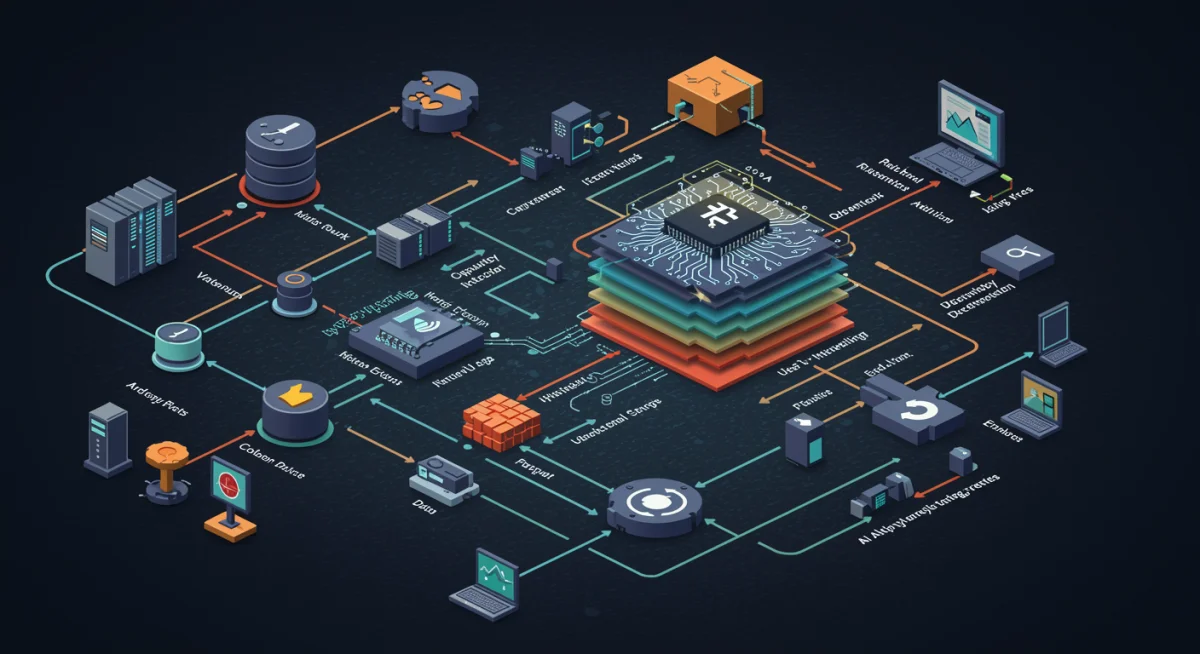
Furthermore, AI can learn from each incident, continuously refining its response protocols and improving its ability to handle future threats. This self-improving aspect of AI makes it an invaluable asset in an environment where attack techniques are constantly evolving. Security orchestration, automation, and response (SOAR) platforms are increasingly incorporating AI to enhance their capabilities, providing a centralized hub for managing and automating security operations.
Benefits of automated response
- Speed: Instantaneous response to threats, significantly reducing the time attackers have to inflict damage.
- Consistency: Eliminates human error and ensures that response protocols are followed precisely every time.
- Scalability: Can handle a high volume of alerts and incidents without being overwhelmed, unlike human teams.
While human oversight remains crucial for complex decision-making and strategic planning, automated AI threat response frees up security analysts to focus on more intricate investigations and proactive security enhancements. This synergy between AI and human expertise creates a more robust and efficient defense system. The implementation of such systems marks a significant leap forward in a business’s ability to withstand and recover from cyberattacks, making them a cornerstone of modern cybersecurity strategies.
In essence, automated AI threat response and remediation provide US businesses with the agility and resilience needed to combat fast-moving cyber threats, ensuring rapid containment and recovery from security incidents.
Enhanced identity and access management with AI
Identity and Access Management (IAM) has long been a foundational pillar of cybersecurity, controlling who has access to what resources within an organization. However, traditional IAM systems often struggle with the complexity of modern IT environments and the growing sophistication of identity-based attacks. AI is now transforming IAM, making it more intelligent, adaptive, and capable of defending against threats like credential stuffing, account takeover, and insider threats.
AI-enhanced IAM solutions leverage machine learning to analyze user behavior patterns, device characteristics, and network access requests in real-time. By establishing a baseline of normal behavior for each user, AI can detect anomalous activities that might indicate a compromised account or an insider threat. For example, if an employee suddenly tries to access sensitive data from an unusual location or at an odd hour, the AI can flag this activity and trigger additional authentication challenges or even temporarily block access.
AI features in IAM
- Behavioral biometrics: Analyzing unique user behaviors like typing patterns, mouse movements, and gait to continuously verify identity.
- Adaptive authentication: Dynamically adjusting authentication requirements based on risk factors such as location, device, and access history.
- Privileged access management (PAM) intelligence: Monitoring and managing access for high-privilege accounts, identifying and mitigating potential misuse.
This dynamic approach to identity verification moves beyond static passwords and multi-factor authentication (MFA) to provide a continuous layer of security. It allows businesses to implement a true Zero Trust architecture, where no user or device is inherently trusted, and access is granted only after continuous verification. This is particularly vital in hybrid work environments where employees access corporate resources from various locations and devices, often outside the traditional network perimeter.
The integration of AI into IAM not only strengthens security but also improves user experience by reducing friction for legitimate users while increasing it for potential attackers. By providing a more granular and intelligent control over access, AI-enhanced IAM is becoming an indispensable component of a comprehensive cybersecurity strategy for US businesses, ensuring that only authorized individuals can access sensitive information and systems.
To summarize, AI-enhanced identity and access management provides a dynamic and adaptive security layer, continuously verifying user identities and behaviors to prevent unauthorized access and mitigate insider threats effectively.
The human element in AI cybersecurity
While AI offers revolutionary capabilities in cybersecurity, it’s crucial to acknowledge that it is not a silver bullet. The human element remains an indispensable part of any effective defense strategy, working in synergy with AI technologies. AI excels at processing vast amounts of data, identifying patterns, and automating responses, but it lacks the nuanced understanding, critical thinking, and ethical judgment that human security analysts bring to the table.
Humans are essential for interpreting complex alerts, investigating sophisticated attacks that AI might flag as anomalies but not fully comprehend, and making strategic decisions about risk tolerance and policy. Furthermore, the development, deployment, and ongoing refinement of AI models themselves require human expertise. Data scientists and security professionals must train AI systems, evaluate their performance, and adjust their parameters to ensure they are effective and unbiased.
Complementary roles
- AI as an enabler: AI automates routine tasks, filters out noise, and provides actionable insights, allowing humans to focus on high-value activities.
- Human oversight: Analysts provide context, validate AI decisions, and intervene when AI systems encounter novel or ambiguous threats.
- Strategic planning: Humans define security policies, assess overall risk, and adapt strategies based on evolving business needs and regulatory requirements.
Moreover, user education and awareness programs are more vital than ever. Even the most advanced AI systems can be circumvented by a single employee falling victim to a social engineering attack. Training employees to recognize phishing attempts, practice good password hygiene, and understand security protocols is a continuous effort that complements technological defenses. It creates a robust ‘human firewall’ that works in conjunction with AI-powered systems.
Ultimately, the most resilient cybersecurity posture for US businesses involves a harmonious integration of AI capabilities with human intelligence and vigilance. AI empowers security teams to be more efficient and effective, while human expertise provides the strategic direction and adaptability needed to navigate the ever-changing threat landscape. This collaborative approach ensures a comprehensive and robust defense against sophisticated cyber adversaries.
In conclusion, the human element is indispensable in AI cybersecurity, providing critical thinking, strategic oversight, and ethical judgment that complements AI’s automated capabilities, creating a truly resilient defense.
Implementing AI-powered strategies effectively
Adopting AI-powered cybersecurity strategies is not merely about purchasing new software; it requires a thoughtful and strategic approach to implementation to maximize their effectiveness. US businesses looking to integrate these advanced defenses must consider several key factors to ensure a successful transition and achieve a robust security posture against evolving threats.
First and foremost, a clear understanding of current cybersecurity gaps and business-specific risks is essential. AI tools should be chosen and configured to address these specific challenges. A ‘one-size-fits-all’ approach rarely works in cybersecurity. Businesses should start with pilot projects, testing AI solutions in controlled environments to understand their impact, refine configurations, and train security teams on their operation.
Key implementation considerations
- Data quality: AI models are only as good as the data they are trained on. Ensuring access to clean, relevant, and comprehensive security data is critical for accurate threat detection and response.
- Integration: AI solutions must seamlessly integrate with existing security tools and IT infrastructure to provide a holistic view of the threat landscape and enable automated responses.
- Skill development: Security teams need to develop new skills to manage, interpret, and optimize AI-powered systems. This includes understanding machine learning concepts and data science principles.
- Scalability: Solutions should be scalable to grow with the business and adapt to increasing data volumes and evolving threat patterns.
Another critical aspect is continuous monitoring and refinement. AI models are not static; they require ongoing tuning and updates to remain effective against new attack techniques. Regular performance reviews, feedback loops, and collaboration between security operations and data science teams are crucial for optimizing AI’s contribution to security.
Finally, businesses must also consider the ethical implications and potential biases within AI systems. Ensuring transparency in AI decision-making and addressing any biases in training data is vital to prevent unintended consequences and maintain trust in automated security measures. By approaching implementation with diligence and strategic foresight, US businesses can effectively harness the power of AI to build a more resilient and future-proof cybersecurity defense.
To conclude, effective implementation of AI-powered cybersecurity strategies requires a clear understanding of business needs, high-quality data, seamless integration, ongoing skill development, and continuous refinement, ensuring optimal defense against evolving threats.
| Key Strategy | Brief Description |
|---|---|
| AI-Driven Predictive Threat Intelligence | Utilizes AI to analyze vast datasets, identify patterns, and anticipate cyber threats before they occur, enabling proactive defense. |
| Automated AI Threat Response | AI systems automatically detect, analyze, and neutralize threats with minimal human intervention, reducing attack dwell time. |
| Enhanced Identity & Access Management (IAM) with AI | AI analyzes user behavior and device characteristics for continuous identity verification, preventing account takeovers and insider threats. |
| Human-AI Collaboration | AI automates tasks and provides insights, while human expertise handles complex decisions, strategy, and ethical oversight. |
Frequently asked questions about AI cybersecurity
AI significantly enhances cybersecurity by enabling predictive threat intelligence, automated rapid response, and continuous anomaly detection across vast datasets. Unlike traditional methods, AI can identify subtle, evolving patterns and adapt defenses faster than human analysts alone, offering a more proactive and resilient security posture against sophisticated attacks.
Implementing AI cybersecurity solutions often faces challenges such as ensuring high-quality training data, seamless integration with existing IT infrastructure, and developing the necessary skills within security teams. Additionally, managing the complexity of AI models and addressing potential biases or ethical concerns are crucial for effective deployment.
No, AI cannot fully replace human cybersecurity analysts. Instead, AI serves as a powerful tool that augments human capabilities by automating routine tasks, analyzing large data volumes, and providing actionable insights. Human analysts remain essential for strategic decision-making, complex investigations, ethical judgment, and adapting to novel, unforeseen threats.
AI-enhanced IAM protects against insider threats by continuously monitoring user behavior and access patterns. It establishes a baseline of normal activity and flags anomalies, such as unusual login times, access to sensitive files outside typical work functions, or attempts to access resources from unfamiliar locations, prompting further verification or intervention.
Data quality is paramount for effective AI cybersecurity. AI models rely on vast amounts of clean, relevant, and diverse data to accurately learn and detect threats. Poor quality or insufficient data can lead to inaccurate predictions, false positives, or missed threats, severely undermining the effectiveness of the AI system and potentially creating new vulnerabilities.
Conclusion
The landscape of cybersecurity threats continues its relentless evolution, demanding equally advanced and adaptive defense mechanisms from US businesses. The integration of AI-powered cybersecurity strategies is no longer a luxury but a strategic imperative. By leveraging AI for predictive threat intelligence, automating rapid response protocols, and enhancing identity and access management, organizations can establish a more resilient and proactive defense posture. While AI offers unparalleled capabilities in processing data and automating tasks, the indispensable role of human expertise, critical thinking, and ethical oversight remains paramount. The most effective cybersecurity frameworks will be those that foster a symbiotic relationship between advanced AI technologies and skilled human analysts, ensuring comprehensive protection against the sophisticated cyber adversaries of today and tomorrow. Investing in these strategies is investing in the future security and continuity of American business operations.