AI’s Impact on the American Workforce: 3 Key Skills for 2026
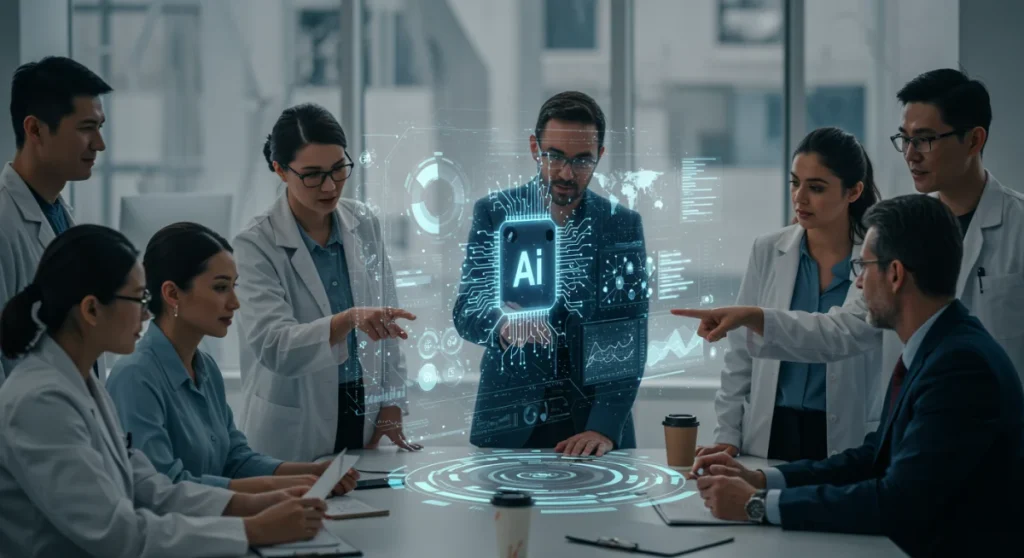
The American workforce will require critical adaptations by 2026 to maintain job security, with three key skills emerging as essential for navigating the profound impact of artificial intelligence on various industries.
The landscape of work in the United States is undergoing a profound transformation, driven largely by the rapid advancements in artificial intelligence. Understanding AI’s Impact on the American Workforce: 3 Key Skills to Develop for Future Job Security by 2026 is not merely an academic exercise; it’s a crucial roadmap for career longevity and success. As AI continues to automate routine tasks and reshape industries, the demand for human capabilities that complement, rather than compete with, intelligent machines will escalate. This article delves into the core competencies that will empower American workers to thrive in this evolving environment.
The AI Revolution and its Economic Undertones
Artificial intelligence is no longer a futuristic concept; it’s a present-day force fundamentally altering how businesses operate and how individuals work. From automating customer service to optimizing supply chains, AI’s reach is expanding, bringing both unprecedented opportunities and significant challenges for the American workforce. This section explores the broader economic implications of AI, setting the stage for understanding the necessary skill shifts.
The economic undertones of the AI revolution are complex. While some fear widespread job displacement, many experts predict a shift in job roles, requiring new forms of human-AI collaboration. The World Economic Forum, for instance, projects that AI will create new jobs even as it automates others, emphasizing the importance of upskilling and reskilling initiatives. This dynamic necessitates a proactive approach to skill development, ensuring workers are equipped for the jobs of tomorrow.
Shifting Job Paradigms
The traditional understanding of a job is evolving. Instead of fixed roles, we are moving towards more fluid, project-based work that demands adaptability and continuous learning. AI tools are becoming integral to daily operations, augmenting human capabilities rather than completely replacing them in many sectors.
- Enhanced productivity through AI-powered tools.
- Creation of entirely new job categories centered around AI management and ethics.
- Increased demand for roles requiring unique human attributes like creativity and critical thinking.
The narrative isn’t just about job losses; it’s about job evolution. Companies are seeking individuals who can leverage AI to perform their tasks more efficiently, analyze data more effectively, and innovate faster. This shift requires a workforce that is not only tech-savvy but also critically aware of AI’s limitations and ethical implications.
In conclusion, the AI revolution is an economic reordering. It demands a workforce that is agile, continuously learning, and capable of integrating AI into their workflows. The coming years will see a greater emphasis on skills that foster human-AI synergy, rather than purely technical expertise.
Skill 1: Advanced Digital Literacy and AI Fluency
In an AI-driven world, merely knowing how to use a computer is no longer enough. The first crucial skill for future job security is advanced digital literacy, coupled with a deep understanding of AI fluency. This means not just interacting with digital tools, but comprehending their underlying logic and how AI systems function. It’s about becoming a sophisticated user and, in many cases, a co-creator with AI.
Advanced digital literacy extends beyond basic software proficiency. It encompasses data interpretation, cybersecurity awareness, and the ability to utilize complex digital platforms effectively. AI fluency, on the other hand, involves understanding AI’s capabilities and limitations, knowing how to prompt AI effectively, and being able to integrate AI tools into various professional tasks to enhance productivity and decision-making.
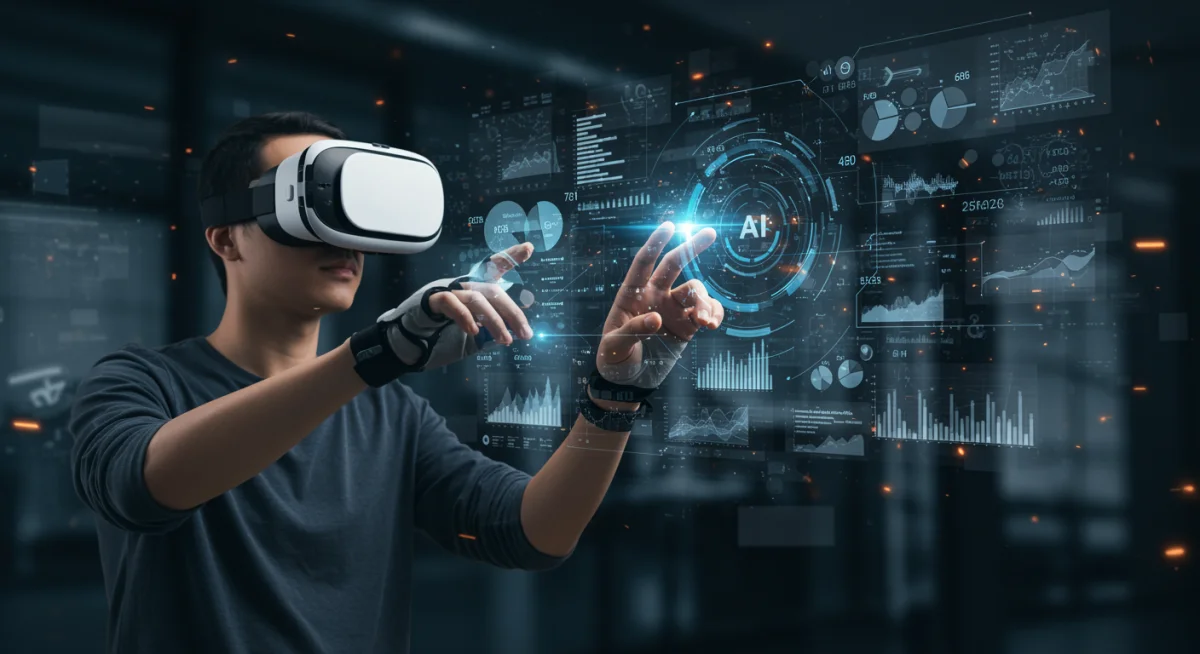
This skill set is not confined to tech roles; it’s becoming universal. From marketing professionals using AI for targeted campaigns to healthcare workers leveraging AI for diagnostics, the ability to effectively interact with and understand AI systems is paramount. It empowers individuals to maximize AI’s benefits while mitigating potential risks.
Navigating AI Tools and Platforms
Workers need to be proficient in a variety of AI-powered applications, understanding their specific functionalities and how to apply them to solve real-world problems. This includes everything from natural language processing tools to machine learning platforms.
- Proficiency in AI-powered data analysis and visualization tools.
- Understanding of prompt engineering for generative AI models.
- Ability to evaluate the output and reliability of AI systems.
The emphasis here is on practical application. It’s not about becoming an AI developer, but about being an intelligent user of AI. This involves continuous learning, as AI technologies are constantly evolving, requiring workers to stay updated with the latest advancements and best practices.
Ultimately, developing advanced digital literacy and AI fluency ensures that American workers can effectively navigate the technological landscape of 2026 and beyond. It transforms potential threats into opportunities, allowing individuals to leverage AI as a powerful assistant rather than seeing it as a replacement.
Skill 2: Critical Thinking and Complex Problem Solving
As AI handles more routine and data-intensive tasks, the human capacity for critical thinking and complex problem-solving becomes even more invaluable. This second key skill involves the ability to analyze situations deeply, identify underlying issues, evaluate information from multiple sources (including AI-generated data), and formulate innovative solutions that AI cannot yet replicate. This is where human ingenuity truly shines.
Critical thinking is about questioning assumptions, seeking diverse perspectives, and making reasoned judgments. In an AI-augmented world, this means being able to discern bias in AI models, challenge AI recommendations when appropriate, and understand the ethical implications of AI decisions. Complex problem-solving, on the other hand, involves tackling unstructured, ambiguous challenges that require creativity, intuition, and interdisciplinary knowledge – areas where human cognitive abilities still far surpass those of machines.
Consider a scenario where AI provides a data-driven solution. A critically thinking individual won’t merely accept it; they will scrutinize the data sources, question the model’s assumptions, and consider broader contextual factors that AI might miss. This human oversight is essential for ensuring robust and ethically sound outcomes, particularly in fields like healthcare, law, and strategic planning.
Evaluating AI-Generated Information
With the proliferation of AI-generated content, the ability to critically evaluate information for accuracy, relevance, and potential bias is more important than ever. Workers must develop a keen sense of discernment.
- Analyzing AI outputs for logical fallacies or inconsistencies.
- Cross-referencing AI-provided data with human expertise and real-world context.
- Understanding the limitations and potential biases embedded within AI algorithms.
Complex problem-solving also involves framing problems effectively, which often requires a nuanced understanding of human behavior and societal dynamics that AI struggles with. These skills are not easily automated because they rely on empathy, ethical reasoning, and a holistic view of interconnected systems.
In essence, critical thinking and complex problem-solving are the human counterparts to AI’s analytical power. They ensure that technology serves humanity’s best interests, guiding AI’s application towards beneficial and ethical outcomes, thereby securing a vital role for human workers in the future.
Skill 3: Emotional Intelligence and Interpersonal Communication
While AI excels at processing data and automating tasks, it still significantly lags in understanding and replicating genuine human emotion and complex social interactions. Therefore, emotional intelligence and superior interpersonal communication emerge as the third indispensable skill for job security by 2026. These abilities are inherently human, making them highly resistant to automation and increasingly valuable in roles that require nuanced understanding, collaboration, and leadership.
Emotional intelligence encompasses self-awareness, self-regulation, motivation, empathy, and social skills. In the workplace, this translates to effective team collaboration, conflict resolution, client relations, and leadership that inspires and motivates. Interpersonal communication involves not just conveying information clearly, but also active listening, negotiation, persuasion, and building rapport. These skills are the bedrock of successful human organizations and are critical for navigating complex social dynamics that AI cannot grasp.
Think of roles in management, sales, human resources, healthcare, education, or creative industries. These professions demand a high degree of empathy, the ability to read non-verbal cues, and the capacity to build trust – all attributes that AI cannot genuinely possess. As AI takes over more analytical functions, the premium on human-centric skills will only grow, making individuals with high emotional intelligence and excellent communication indispensable.
Fostering Human Connections in a Digital Age
Even as digital interactions increase, the need for authentic human connection remains paramount. Workers adept at building relationships and understanding human needs will be crucial for customer satisfaction and team cohesion.
- Active listening and empathetic responses in client interactions.
- Effective team collaboration and conflict resolution.
- Mentorship and coaching, leveraging human experience and insight.
Moreover, ethical considerations surrounding AI deployment will require strong communication skills to explain complex concepts to diverse audiences and to facilitate discussions about AI’s societal impact. Leaders will need to communicate visions that integrate AI ethically and effectively, while also managing the emotional responses of their teams to technological change.
Ultimately, emotional intelligence and interpersonal communication are the human firewall against full automation. They ensure that organizations remain human-centered, fostering environments where creativity, collaboration, and compassion can thrive alongside technological advancement, solidifying the American workforce’s future viability.
Strategies for Upskilling and Reskilling the Workforce
Recognizing the critical skills needed is only the first step. The American workforce must actively engage in upskilling and reskilling initiatives to meet the demands of the AI era. This requires a concerted effort from individuals, educational institutions, businesses, and government bodies to create accessible and effective learning pathways. Proactive engagement in continuous learning is no longer an option but a necessity for career resilience.
For individuals, this means embracing a mindset of lifelong learning, seeking out courses, certifications, and practical experiences that build these foundational skills. For businesses, it involves investing in employee training programs, fostering a culture of continuous development, and collaborating with educational providers to tailor curricula to industry needs. Educational institutions must adapt their offerings to include AI literacy, critical thinking methodologies, and emotional intelligence development across all disciplines.
Government policies can also play a pivotal role by funding training programs, offering incentives for companies to invest in their workforce, and establishing frameworks that support a smooth transition for workers affected by automation. The goal is to build a robust ecosystem of learning that empowers every American worker to adapt and thrive.
Accessible Learning Pathways
Creating diverse and accessible learning opportunities is crucial. This includes online courses, vocational training, apprenticeships, and university programs that integrate AI-relevant skills.
- Online platforms offering flexible, modular courses.
- Industry-specific certifications recognized by employers.
- Apprenticeships combining theoretical knowledge with practical application.
The emphasis should be on practical, hands-on learning that allows individuals to apply new skills in real-world contexts. This not only builds competence but also confidence, preparing workers for the dynamic challenges of an AI-driven economy. Continuous feedback and mentorship can further accelerate skill acquisition and integration.
In summary, successful adaptation to the AI era hinges on comprehensive strategies for upskilling and reskilling. By fostering a culture of continuous learning and providing accessible pathways, the American workforce can transform the challenges of AI into opportunities for growth and innovation.
The Role of Education and Policy in Workforce Readiness
The preparedness of the American workforce for the AI era is not solely an individual responsibility; it is deeply intertwined with the effectiveness of our educational systems and government policies. A forward-thinking approach from both sectors is essential to ensure that future generations are equipped with the skills necessary for job security and economic prosperity in an increasingly automated landscape. This involves rethinking curricula, investing in infrastructure, and creating supportive legislative frameworks.
Educational institutions, from K-12 to higher education, must integrate foundational AI concepts, digital ethics, and critical thinking into their core offerings. This means moving beyond rote memorization to foster analytical and problem-solving capabilities from an early age. Universities need to collaborate closely with industries to ensure their graduates possess the most relevant and in-demand skills, perhaps through interdisciplinary programs that blend technical expertise with humanities and social sciences.
Government policies can catalyze this transformation by providing funding for advanced educational technologies, incentivizing STEM and AI education, and establishing national standards for digital literacy. Furthermore, policies aimed at supporting displaced workers through retraining programs and unemployment benefits with a focus on skill development are crucial for a just transition. Public-private partnerships can also play a significant role in bridging the skill gap and fostering innovation.
Curriculum Reform for AI Era
Reforming educational curricula to reflect the needs of an AI-driven economy is paramount. This includes introducing AI concepts, data science, and ethical technology discussions at various educational levels.
- Early introduction to computational thinking and coding.
- Emphasis on interdisciplinary studies that combine technical and soft skills.
- Development of ethical frameworks for technology use and innovation.
Beyond formal education, public policy can support the creation of accessible online learning platforms and community-based training centers. These resources can offer flexible options for adults to acquire new skills or refresh existing ones, ensuring that the entire workforce has opportunities to adapt. The focus should be on creating a learning ecosystem that is responsive, inclusive, and forward-looking.
Ultimately, a robust educational framework and supportive government policies are the backbone of a future-ready American workforce. By proactively addressing these areas, the nation can ensure its citizens are prepared not just to cope with AI, but to lead in its development and application, securing long-term job security and economic competitiveness.
Navigating the Future: A Proactive Approach to AI Integration
The integration of AI into the American workforce by 2026 is inevitable and accelerating. Rather than viewing it as a looming threat, a proactive and strategic approach is vital for individuals and organizations alike. This involves not only developing the key skills highlighted previously but also cultivating an adaptive mindset and fostering an environment of continuous innovation. The future of work is not about eliminating humans but about augmenting human potential through intelligent technology.
For individuals, this means actively seeking out opportunities to learn, experiment with AI tools, and understand how AI impacts their specific industry. It’s about becoming comfortable with change and embracing the idea that learning is a lifelong journey. For businesses, a proactive approach involves strategic planning, identifying where AI can enhance operations, and investing in their human capital to facilitate this integration. This includes designing new roles that leverage AI and creating collaborative work environments where human and artificial intelligence can synergize effectively.
Furthermore, ethical considerations must be at the forefront of AI integration. Companies and individuals need to understand the societal implications of AI, ensuring its development and deployment are fair, transparent, and beneficial to all. This ethical lens is another area where human judgment and values are irreplaceable.
Cultivating an Adaptive Mindset
The most important asset in an AI-driven world is an adaptive mindset – the willingness to learn, unlearn, and relearn continually. This psychological flexibility is crucial for navigating rapid technological shifts.
- Embracing continuous learning and skill acquisition.
- Viewing AI as a collaborative tool, not a competitor.
- Developing resilience and openness to change in career paths.
By fostering this proactive approach, the American workforce can shape the future of AI rather than merely reacting to it. This involves engaging in dialogues about AI’s potential, contributing to ethical guidelines, and innovating new ways for humans and machines to work together. The goal is to create a future where AI enhances human capabilities, leading to more productive, fulfilling, and secure careers.
In conclusion, navigating the future of AI integration requires a multifaceted approach that combines skill development with a proactive, adaptive, and ethically conscious mindset. This strategy will ensure that the American workforce remains resilient, innovative, and secure in the years to come.
| Key Skill | Brief Description |
|---|---|
| Advanced Digital Literacy & AI Fluency | Understanding, utilizing, and integrating AI tools effectively into workflows, beyond basic computer skills. |
| Critical Thinking & Complex Problem Solving | Analyzing situations, evaluating AI outputs, and formulating innovative, ethical solutions to unstructured challenges. |
| Emotional Intelligence & Interpersonal Communication | Mastering human interaction, empathy, collaboration, and leadership in an increasingly automated environment. |
| Lifelong Learning Mindset | Committing to continuous skill acquisition and adaptation in response to evolving technological landscapes. |
Frequently Asked Questions About AI and Workforce Skills
AI is predicted to significantly accelerate job market changes by 2026, leading to both job displacement in routine tasks and the creation of new roles requiring advanced human-centric and tech-savvy skills. This rapid evolution demands proactive skill development from the workforce.
Absolutely not. While foundational for tech, advanced digital literacy, critical thinking, and emotional intelligence are becoming essential across all sectors, from healthcare to manufacturing, as AI integrates into every aspect of business operations and decision-making processes.
Numerous resources exist, including online learning platforms (Coursera, edX), vocational training programs, community college courses, and employer-sponsored upskilling initiatives. Government programs and public libraries also offer valuable learning opportunities for workforce development.
While AI will automate many tasks, complete replacement of human jobs is less likely than a transformation of roles. AI is more effective when augmenting human capabilities, creating hybrid jobs that require both technological proficiency and uniquely human attributes like creativity and empathy.
Businesses can invest in internal training programs, offer tuition reimbursement for relevant courses, provide mentorship opportunities, and foster a culture of continuous learning. Collaborating with educational institutions to tailor skill-building programs is also highly beneficial for workforce readiness.
Conclusion
The impact of AI on the American workforce by 2026 represents a pivotal moment, demanding strategic adaptation and proactive skill development. By prioritizing advanced digital literacy and AI fluency, honing critical thinking and complex problem-solving abilities, and strengthening emotional intelligence and interpersonal communication, American workers can not only secure their professional futures but also lead the charge in an evolving global economy. This journey requires a collective commitment from individuals, educators, businesses, and policymakers to foster a resilient, innovative, and human-centered workforce capable of harnessing AI’s full potential for societal benefit.