Community-Led Climate Resilience Projects: 20% Risk Reduction by 2026
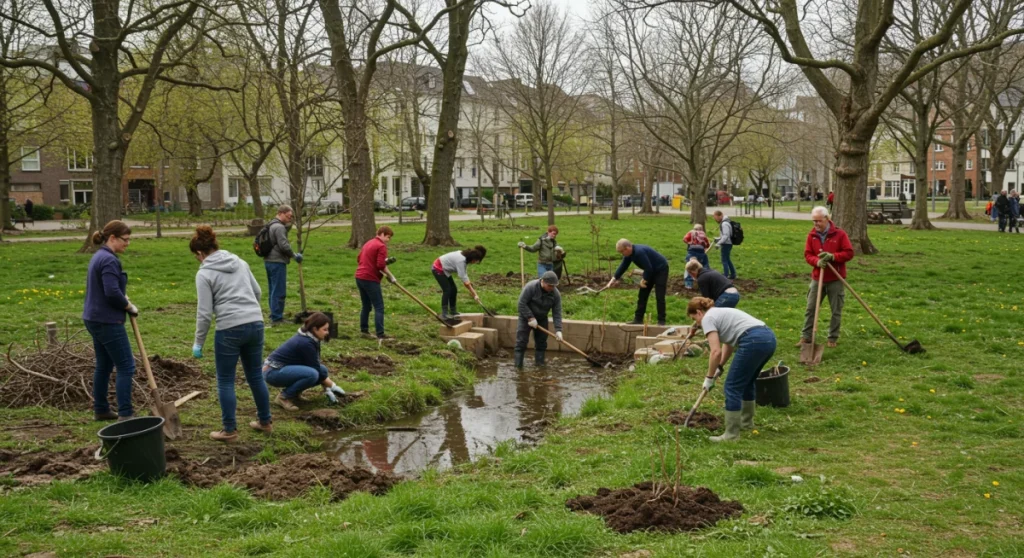
Community-led climate resilience projects are pivotal for achieving a 20% reduction in local environmental risks by mid-2026, fostering adaptive strategies and empowering residents to build sustainable futures.
The urgency of climate change demands innovative and localized solutions. One of the most promising avenues lies in community climate resilience projects, initiatives that empower local populations to directly address and mitigate environmental risks. These projects are not just about large-scale governmental action; they are about neighbors working together, leveraging local knowledge, and building a more secure future for their immediate surroundings. The ambitious goal of achieving a 20% reduction in local environmental risks by mid-2026 through such endeavors is not merely a target, but a call to action for communities across the United States to take charge of their environmental destinies.
Understanding Community-Led Climate Resilience
Community-led climate resilience refers to efforts where local residents, organizations, and stakeholders drive the planning and implementation of strategies to withstand and recover from climate change impacts. This approach recognizes that those closest to the problem often have the best understanding of local vulnerabilities and the most appropriate solutions. It’s about empowering grassroots movements rather than imposing top-down directives, ensuring that interventions are culturally relevant and socially equitable.
These initiatives frequently focus on a variety of environmental risks, from extreme weather events like floods and wildfires to slower-onset changes such as sea-level rise and prolonged droughts. By fostering local ownership, these projects often lead to more sustainable and effective outcomes, building social cohesion alongside physical infrastructure and ecological restoration. The goal is to create systems that can absorb shocks and adapt to new conditions without significant long-term disruption, protecting both natural environments and human populations.
The foundation of local action
At its core, local action is about collective responsibility and shared vision. It begins with identifying specific vulnerabilities within a community, such as inadequate drainage systems, vulnerable coastal infrastructure, or susceptible agricultural practices. Once identified, community members collaborate to devise practical, often low-cost, and highly effective solutions.
- Local knowledge integration: Incorporating historical data and residents’ lived experiences.
- Participatory planning: Engaging all stakeholders in decision-making processes.
- Resource mobilization: Pooling local resources, both human and material, for project implementation.
- Capacity building: Training community members in new skills for resilience.
Key characteristics of successful projects
Successful community-led projects share several common traits. They are typically inclusive, ensuring that marginalized groups have a voice, and they are often iterative, adapting their strategies as conditions change. Furthermore, they prioritize long-term sustainability over short-term fixes, building enduring capacities within the community. These projects often receive support from local governments, non-profits, and academic institutions, creating a network of resources and expertise that reinforces local efforts.
In conclusion, understanding community-led climate resilience means appreciating the power of local engagement in addressing global challenges. It is a proactive, inclusive, and adaptive approach that lays the groundwork for a more secure and sustainable future for all.
Strategies for a 20% Reduction in Local Environmental Risks
Achieving a 20% reduction in local environmental risks by mid-2026 requires a multi-faceted approach, combining innovative strategies with dedicated community effort. This ambitious target calls for a blend of natural solutions, technological advancements, and robust social programs that work in concert to protect vulnerable areas. Focusing on specific, measurable outcomes allows communities to track their progress and adjust their plans as needed, ensuring that efforts are both effective and efficient.
One primary strategy involves enhancing natural infrastructure, often referred to as nature-based solutions. These methods leverage ecosystems to provide protective services, such as wetlands to absorb floodwaters or coastal mangroves to reduce erosion. Such approaches are often more cost-effective and provide co-benefits like improved biodiversity and recreational opportunities. Complementing these are technological interventions, ranging from early warning systems for extreme weather to advanced mapping tools that identify high-risk zones.
Implementing nature-based solutions
Nature-based solutions are gaining traction due to their effectiveness and sustainability. These strategies work with, rather than against, natural processes to build resilience. Examples include restoring forests to prevent landslides, creating green roofs to manage stormwater runoff, and planting urban trees to combat heat islands.
- Wetland restoration: Enhances natural water filtration and flood control.
- Coastal dune reconstruction: Protects shorelines from storm surges and erosion.
- Urban greening initiatives: Reduces urban heat, improves air quality, and manages runoff.
- Agroforestry practices: Increases soil health, sequesters carbon, and diversifies income for farmers.
Technological advancements and data utilization
Modern technology offers powerful tools for risk reduction. Advanced climate modeling can predict future environmental changes with greater accuracy, allowing communities to plan proactively. Sensor networks can monitor real-time conditions, providing crucial data for early warning systems for floods, droughts, or wildfires. Furthermore, Geographic Information Systems (GIS) enable communities to map vulnerabilities, identify critical assets, and prioritize intervention areas effectively.
Beyond physical and technological solutions, social programs play a vital role. These include public education campaigns, community emergency preparedness training, and the establishment of local resilience hubs. By fostering a culture of readiness and mutual support, communities can significantly reduce the human impact of environmental disasters. The combination of these diverse strategies forms a comprehensive framework for achieving the targeted risk reduction, making communities safer and more adaptable.
Key Challenges and Overcoming Obstacles
While the vision of achieving a 20% reduction in local environmental risks through community-led projects is inspiring, it is not without its hurdles. Communities often face significant challenges in securing funding, navigating complex bureaucratic processes, and ensuring equitable participation across diverse populations. Addressing these obstacles effectively is crucial for the success and longevity of any resilience initiative. Recognizing these challenges upfront allows for the development of proactive strategies to mitigate their impact, ensuring that projects can move forward with greater momentum and impact.
One of the most persistent challenges is securing adequate and consistent funding. Many community-led projects rely on grants, donations, and volunteer efforts, which can be unpredictable. Another significant hurdle is engaging all segments of the community, especially those who are most vulnerable or historically marginalized. Without broad participation, resilience plans may not address the needs of everyone, potentially exacerbating existing inequalities.
Securing sustainable funding
Lack of consistent funding can halt promising projects in their tracks. Communities need diverse funding streams, including federal grants, state programs, private philanthropy, and local fundraising. Developing strong proposals and demonstrating clear, measurable impacts are essential for attracting and retaining financial support.
- Grant writing workshops: Equipping community leaders with skills to secure external funds.
- Public-private partnerships: Collaborating with businesses for financial and in-kind support.
- Community fundraising drives: Engaging local residents in contributing to projects.
- Innovative financing mechanisms: Exploring green bonds or revolving loan funds.
Ensuring equitable engagement
True community resilience is inclusive. Projects must prioritize engaging all community members, particularly those from low-income areas, minority groups, and indigenous populations, who are often disproportionately affected by climate change. This requires culturally sensitive outreach, multilingual communication, and flexible meeting schedules to accommodate diverse needs.
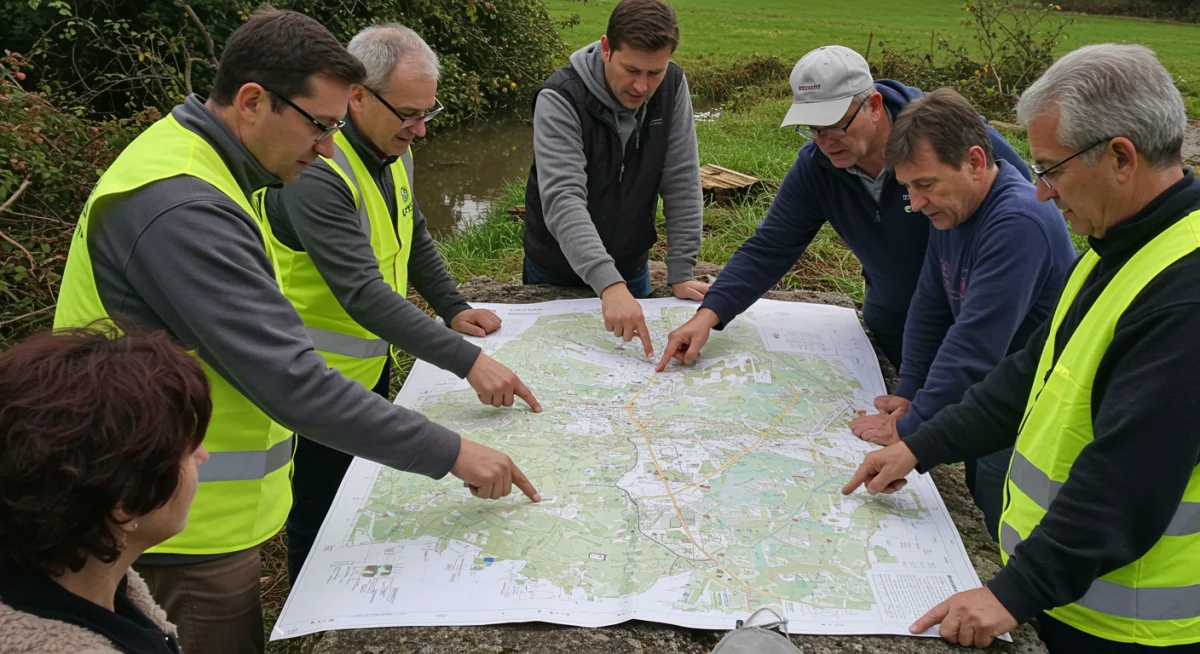
Overcoming these challenges also involves building strong partnerships with local government agencies, academic institutions, and non-profit organizations. These collaborations can provide technical expertise, access to resources, and political support, all of which are vital for navigating the complexities of large-scale resilience projects. By strategically addressing these obstacles, communities can transform challenges into opportunities for growth and stronger collective action.
Measuring Impact and Tracking Progress
To truly achieve a 20% reduction in local environmental risks by mid-2026, communities must establish robust systems for measuring impact and tracking progress. Without clear metrics and consistent monitoring, it’s impossible to determine whether strategies are effective, where adjustments are needed, or if the ambitious target is being met. This involves defining specific indicators, collecting relevant data, and regularly evaluating project outcomes against predefined goals. Transparency in reporting these results also fosters accountability and builds trust within the community and among stakeholders.
The process begins with setting clear, quantifiable objectives beyond the overarching 20% reduction. For instance, a community might aim to reduce flood damage by a specific percentage in a particular neighborhood, or increase the number of households with emergency preparedness plans. These smaller, more manageable goals contribute to the larger objective and provide tangible milestones for communities to celebrate, maintaining momentum and engagement.
Defining key performance indicators (KPIs)
Key Performance Indicators (KPIs) are crucial for assessing the success of resilience projects. These indicators should be specific, measurable, achievable, relevant, and time-bound (SMART). Examples include changes in flood insurance claims, acres of wetlands restored, number of households with access to early warning systems, or reductions in heat-related illnesses.
- Reduction in property damage: Quantifying economic losses avoided due to resilience measures.
- Ecosystem health metrics: Tracking biodiversity, water quality, and soil stability improvements.
- Community preparedness index: Assessing the readiness of residents for environmental hazards.
- Public awareness and engagement levels: Measuring participation in workshops and volunteer efforts.
Data collection and reporting mechanisms
Effective measurement relies on systematic data collection. This can involve surveys, scientific monitoring, satellite imagery, and community feedback. Establishing centralized data platforms allows for easy access and analysis, enabling communities to visualize their progress and identify areas requiring further attention. Regular reporting, both internally and externally, ensures transparency and allows for adaptive management. These reports can highlight successes, share lessons learned, and justify continued investment in resilience efforts.
By diligently measuring impact and tracking progress, communities can ensure that their efforts are not just well-intentioned but truly transformative. This data-driven approach strengthens the argument for continued support, inspires further action, and ultimately brings communities closer to their resilience goals, creating a safer and more sustainable environment for everyone.
Case Studies: Successful Community Resilience Projects
Examining successful community resilience projects offers invaluable insights into effective strategies and replicable models. These case studies demonstrate how diverse communities across the United States have mobilized to reduce environmental risks, often with limited resources but abundant determination. By highlighting these examples, we can learn from their approaches, adapt best practices, and inspire other communities to embark on their own resilience journeys. These stories underscore the power of local leadership and collaboration in confronting climate change.
One notable example is the efforts of coastal communities in Louisiana, which have been severely impacted by hurricanes and sea-level rise. Through a combination of marsh restoration, levee improvements, and community relocation programs, these communities are working to rebuild stronger and adapt to a changing coastline. Their projects often involve significant community input, ensuring that solutions are tailored to local needs and cultural values.
The Chesapeake Bay watershed restoration
Communities within the Chesapeake Bay watershed have undertaken extensive restoration projects to improve water quality and protect against storm surge. Efforts include planting riparian buffers, restoring oyster reefs, and implementing green infrastructure in urban areas. These projects are often driven by local environmental groups and volunteers, demonstrating a strong commitment to ecological health.
- Riparian buffer planting: Reduces nutrient runoff and stabilizes stream banks.
- Oyster reef restoration: Filters water and provides habitat, while also acting as natural breakwaters.
- Rain gardens and permeable pavements: Manages stormwater in urban settings, reducing pollution and flooding.
- Community clean-up events: Engages residents in direct environmental stewardship.
Dryland resilience in the American Southwest
In the arid regions of the American Southwest, communities face increasing risks from drought and wildfires. Projects here often focus on water conservation, sustainable land management, and wildfire prevention. Indigenous communities, in particular, have contributed traditional ecological knowledge to develop highly effective and culturally appropriate resilience strategies.
Another compelling case comes from urban centers, where initiatives to combat urban heat islands and improve air quality are taking root. Cities like Phoenix and Los Angeles are implementing extensive tree-planting programs, developing cool pavement technologies, and establishing community cooling centers. These projects not only mitigate climate risks but also enhance public health and quality of life for residents. These varied examples illustrate that effective community-led resilience can take many forms, adapted to the unique environmental and social contexts of each location.
The Role of Policy and Governance
While community-led projects are the bedrock of local resilience, their effectiveness can be significantly amplified by supportive policy and governance frameworks. Government policies, from local ordinances to federal programs, can provide the necessary funding, technical assistance, and regulatory guidance that enable grassroots initiatives to thrive and scale. The interplay between bottom-up community efforts and top-down policy support creates a powerful synergy, accelerating the pace of risk reduction and fostering a more resilient nation. Without this governmental backing, many community projects would struggle to achieve their full potential, underscoring the critical need for alignment between all levels of governance and local action.
Effective governance involves creating an enabling environment where communities feel empowered to act, rather than hindered by bureaucracy. This means streamlining permitting processes for resilience projects, offering incentives for sustainable practices, and providing clear pathways for communities to access funding and expert advice. Policies that prioritize equity and inclusion are also vital, ensuring that resilience efforts reach all segments of the population, especially those most vulnerable to climate impacts.
Federal and state support mechanisms
Federal agencies, such as FEMA and NOAA, offer various grant programs and technical assistance specifically designed to support climate resilience. State governments also play a crucial role through their own climate action plans, funding initiatives, and regulatory frameworks that encourage local adaptation. These programs can provide the substantial financial and technical resources often beyond the scope of individual communities.
- FEMA’s Hazard Mitigation Grant Program: Provides funds for projects that reduce natural hazard risks.
- NOAA’s Coastal Resilience Grants: Supports coastal communities in preparing for sea-level rise and extreme weather.
- State-level climate action plans: Outlines strategies and resources for local resilience initiatives.
- Tax incentives for green infrastructure: Encourages property owners to adopt sustainable solutions.
Local government engagement
Local governments are often the closest partners for community-led projects. They can facilitate public forums, integrate resilience planning into zoning and land-use regulations, and provide direct support through municipal departments. Strong leadership at the local level can champion community efforts, allocate local resources, and act as a bridge between grassroots initiatives and broader regional or national programs.
In conclusion, the symbiotic relationship between community action and supportive policy is indispensable for achieving widespread climate resilience. By establishing clear policies, providing robust funding, and fostering collaborative governance, all levels of government can empower communities to effectively reduce environmental risks and build a more secure future. This partnership ensures that local efforts are not isolated but part of a larger, coordinated strategy for national resilience.
Outlook for Mid-2026 and Beyond
As we approach mid-2026, the outlook for community-led climate resilience projects is one of cautious optimism, driven by the increasing recognition of their vital role in risk reduction. The ambitious target of a 20% reduction in local environmental risks by this timeframe is within reach, provided that current momentum is sustained and expanded. The lessons learned from ongoing projects, coupled with evolving policy support and technological advancements, paint a hopeful picture for future resilience efforts. This period will be crucial for solidifying gains and laying the groundwork for even more ambitious goals in the years to come, ensuring that adaptation becomes an integral part of community development.
The continued growth of public awareness and engagement is a significant factor in this positive outlook. More communities are understanding the direct impacts of climate change and are eager to participate in solutions. This growing demand for local action creates a fertile ground for new projects and the expansion of existing ones. Furthermore, the increasing availability of data and sophisticated analytical tools allows for more precise targeting of interventions, maximizing their effectiveness and efficiency.
Scaling up successful initiatives
The success stories highlighted in various case studies provide blueprints for scaling up successful initiatives. Identifying best practices and replicating them in diverse contexts will be key to achieving broader impact. This involves creating toolkits, sharing knowledge platforms, and fostering peer-to-peer learning among communities. The goal is to move beyond isolated projects to a more systematic and widespread adoption of resilience strategies.
- Knowledge exchange platforms: Facilitating sharing of best practices and lessons learned.
- Standardized assessment tools: Enabling consistent measurement and comparison of project impacts.
- Mentorship programs: Connecting experienced communities with those just starting out.
- Regional resilience networks: Building collaborative structures across geographic areas.
Long-term vision and continuous adaptation
Beyond mid-2026, the focus will shift towards embedding resilience into the very fabric of community planning and development. This means integrating climate considerations into urban planning, infrastructure development, and economic strategies. Continuous adaptation will be essential, as climate conditions evolve and new challenges emerge. The long-term vision is one where communities are not just reacting to climate change but are proactively shaping their environments to be inherently resilient.
The journey towards comprehensive climate resilience is ongoing, but the progress made through community-led projects by mid-2026 will serve as a powerful testament to the effectiveness of local action. With sustained commitment, collaborative partnerships, and a forward-looking perspective, communities can continue to build a safer, more sustainable future for generations to come, well beyond the initial target date.
| Key Aspect | Brief Description |
|---|---|
| Community Leadership | Local residents drive planning and implementation of resilience strategies. |
| Risk Reduction Goal | Targeting 20% reduction in local environmental risks by mid-2026. |
| Diverse Strategies | Utilizes nature-based solutions, technology, and social programs. |
| Policy Support | Governmental frameworks crucial for funding and scaling initiatives. |
Frequently Asked Questions About Community Climate Resilience
These are initiatives where local residents and organizations take the lead in planning and implementing strategies to adapt to and mitigate the impacts of climate change within their immediate environment. They often use local knowledge to create tailored solutions.
The ambitious goal is to achieve a 20% reduction in local environmental risks through these community-led projects by mid-2026. This target emphasizes the urgency and potential impact of localized efforts.
Impact is measured using Key Performance Indicators (KPIs) such as reduced property damage, improved ecosystem health, and increased community preparedness. Data collection and regular reporting ensure accountability and track progress effectively.
Government at all levels provides crucial support through funding, technical assistance, policy frameworks, and regulatory guidance. This support enables communities to access resources and scale their efforts effectively.
Successful strategies include nature-based solutions like wetland restoration, technological advancements such as early warning systems, and social programs like community emergency preparedness training. These diverse approaches address a range of environmental risks.
Conclusion
The journey towards achieving a 20% reduction in local environmental risks by mid-2026 through community-led climate resilience projects represents a powerful testament to collective action and localized innovation. By empowering residents to take ownership of their environmental challenges, these initiatives foster not only physical resilience but also stronger social bonds and more sustainable practices. While challenges persist, the collaborative efforts of communities, supported by evolving policy frameworks and technological advancements, are paving the way for a safer, more adaptable future. The progress made in the coming years will be instrumental in shaping a resilient nation, demonstrating that grassroots movements are indispensable in the global fight against climate change.