2026 Global Migration Trends: Impact on U.S. Labor Markets
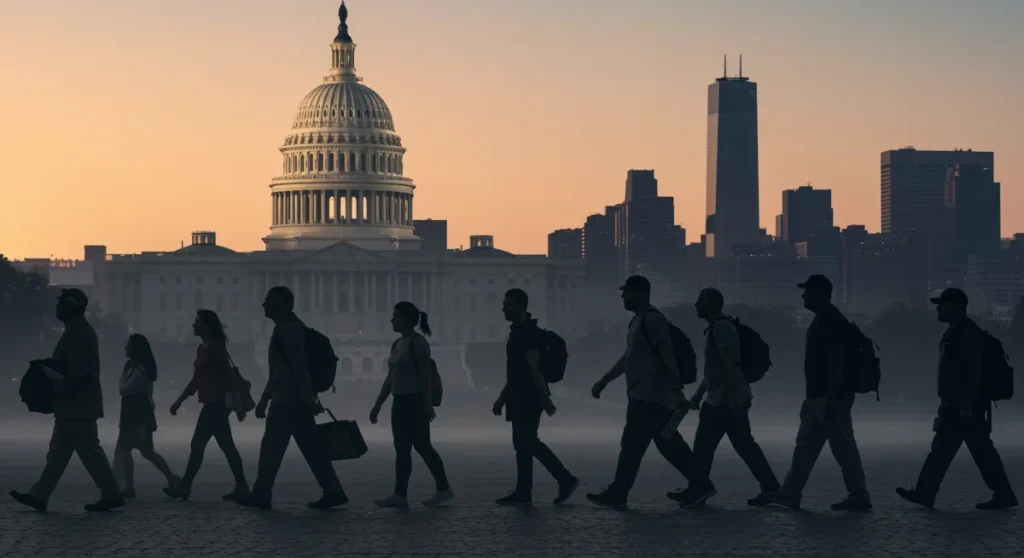
The 2026 global migration trends are significantly impacting U.S. labor markets, addressing workforce shortages, influencing wage dynamics, and reshaping industry compositions amidst evolving global geopolitical landscapes.
Understanding the 2026 Global Migration Trends and Their Effect on U.S. Labor Markets is crucial for businesses, policymakers, and individuals alike. As the world continues to evolve, so do the patterns of human movement, creating both challenges and opportunities for host nations.
The Shifting Landscape of Global Migration in 2026
Global migration patterns are dynamic, influenced by a complex interplay of economic, social, political, and environmental factors. In 2026, we anticipate several key drivers that will continue to shape these movements, impacting destination countries like the United States.
Economic disparities remain a primary catalyst, with individuals seeking better opportunities and higher living standards. Geopolitical instability, including ongoing conflicts and political unrest in various regions, will also force significant numbers of people to seek refuge and safety abroad. Climate change, increasingly recognized as a major disruptor, is expected to displace communities, leading to both internal and international migration flows.
Key Drivers of Migration
Several factors converge to create the migration landscape we observe today and predict for 2026. Understanding these drivers is essential for comprehending the scale and direction of human movement.
- Economic Disparity: The persistent gap in income and opportunity between developed and developing nations continues to be a powerful magnet.
- Geopolitical Instability: Conflicts, political persecution, and human rights abuses push populations to seek asylum and safety.
- Climate Change: Environmental degradation, resource scarcity, and natural disasters are increasingly forcing people from their homes.
- Demographic Shifts: Aging populations in developed countries create demand for younger workers, often met by migrants from younger, growing populations.
These drivers are not isolated; they often interact, amplifying their effects and creating more complex migration scenarios. For instance, climate-induced migration can exacerbate economic hardship, leading to further displacement and a search for new livelihoods.
The conclusion drawn from these observations is that global migration in 2026 will be characterized by both voluntary and involuntary movements, driven by a confluence of powerful, interconnected forces that demand comprehensive policy responses from nations worldwide.
Demographic Imperatives and U.S. Labor Needs
The United States faces unique demographic challenges that underscore the importance of immigration to its labor markets. An aging population and declining birth rates mean that without a consistent influx of new workers, certain industries face significant labor shortages.
This demographic shift is not a new phenomenon, but its impact is becoming more pronounced. As baby boomers retire, and fewer young Americans enter the workforce, the demand for skilled and unskilled labor in various sectors outstrips the domestic supply. This creates a vacuum that migrants often fill, playing a crucial role in maintaining economic productivity and innovation.
Critical Sectors Relying on Migrant Labor
Several U.S. industries are particularly reliant on migrant workers, highlighting their indispensable contribution to the national economy.
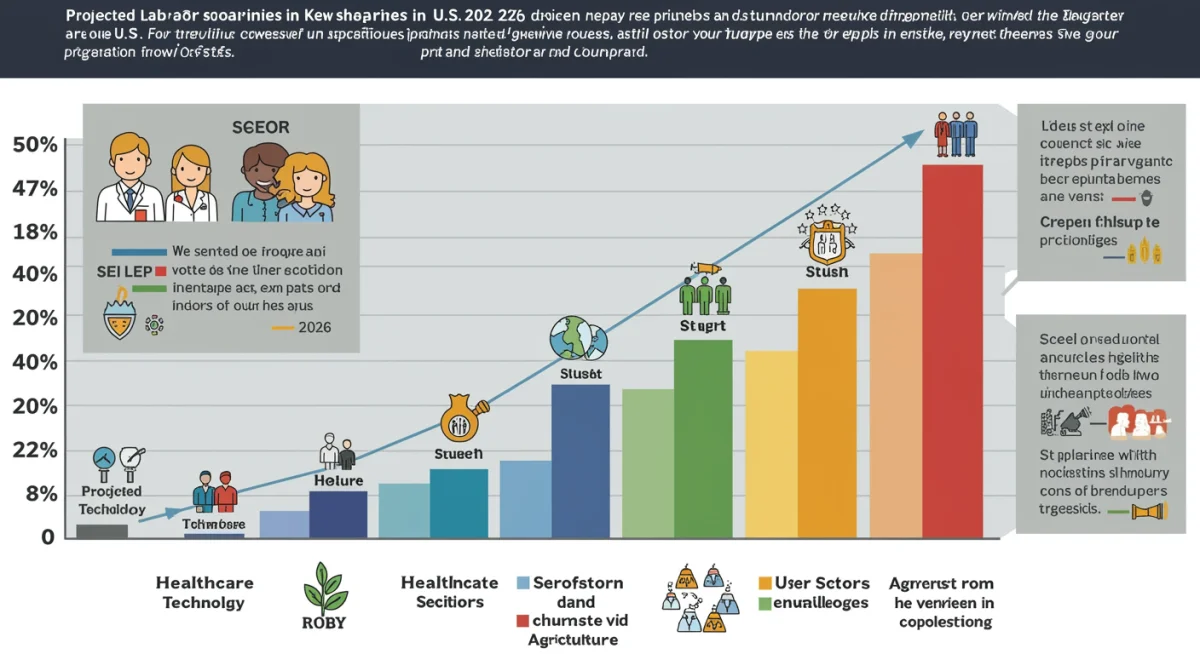
- Agriculture: Migrant workers perform the vast majority of labor in food production, from planting to harvesting.
- Construction: They are vital to building and infrastructure projects, often taking on physically demanding roles.
- Healthcare: Foreign-born professionals and support staff play a significant role, especially in underserved areas and specialized fields.
- Hospitality and Services: Many migrants are employed in hotels, restaurants, and other service-oriented businesses.
Beyond these traditional sectors, migrants are also increasingly contributing to high-tech industries and entrepreneurial ventures, bringing diverse skills and perspectives that drive innovation. Their presence helps maintain a competitive edge for the U.S. economy on a global scale.
Ultimately, the demographic realities of the U.S. point to an ongoing and perhaps increasing need for migrant labor across a spectrum of industries, making the integration of these workers a critical component of future economic stability and growth.
Economic Contributions and Wage Dynamics
The economic impact of migration on U.S. labor markets is multifaceted, extending beyond simply filling labor gaps. Migrants contribute to economic growth through consumption, entrepreneurship, and tax payments, while also influencing wage dynamics.
Studies consistently show that immigrants have higher rates of entrepreneurship, starting businesses at a faster pace than native-born citizens. These businesses create jobs, generate tax revenue, and foster innovation. Furthermore, migrants contribute billions of dollars in taxes annually, supporting public services and infrastructure.
Impact on Wages and Employment
The relationship between immigration and wages is often debated, but most economic analyses suggest that the overall impact on native-born workers’ wages is modest, and often positive.
- Complementary Labor: Migrants often take jobs that native-born workers are less willing to do, or possess skills that complement the existing workforce rather than directly competing with it.
- Increased Demand: A larger population, including migrants, increases overall demand for goods and services, which can stimulate job creation.
- Innovation and Productivity: Diverse workforces can lead to greater innovation and increased productivity, benefiting the economy as a whole.
While there may be localized or short-term wage adjustments in specific low-skilled sectors, the broader economic benefits, such as increased productivity and reduced inflation, often outweigh these more limited impacts. The influx of new workers can also help to keep labor costs down in certain sectors, which can translate to lower prices for consumers.
In conclusion, the economic contributions of migrants are substantial, playing a vital role in the U.S. economy’s dynamism and resilience, with wage impacts generally being either neutral or slightly positive for the native-born workforce.
Policy Frameworks and Immigration Reform
Effective management of migration trends requires robust and adaptable policy frameworks. In the U.S., immigration policy is a complex area, often subject to political debate and varying priorities. Addressing the challenges and opportunities presented by 2026 global migration trends will necessitate thoughtful reform.
Current immigration laws are often seen as outdated and ill-equipped to handle the realities of modern global movements. There is a pressing need for policies that balance economic needs, humanitarian concerns, and national security. This includes streamlining legal pathways for workers, enhancing border security, and improving asylum processes.
Key Areas for Policy Consideration
To effectively respond to future migration, policymakers must consider several critical areas for reform.
- Skilled Worker Visas: Expanding and modernizing visa programs for high-skilled workers to meet demand in critical industries like tech and healthcare.
- Agricultural Labor Programs: Creating more efficient and humane pathways for seasonal agricultural workers.
- Asylum System Reform: Improving the efficiency and fairness of the asylum process to better manage refugee flows.
- Integration Programs: Investing in programs that help new immigrants integrate into society and the workforce, including language training and job placement services.
These policy adjustments are not merely about managing numbers; they are about strategically leveraging migration to benefit the U.S. economy and society. A comprehensive approach that considers long-term demographic and economic trends is essential for sustainable growth.
Therefore, the ongoing debate around immigration reform is not just political; it’s an economic imperative that will shape the U.S. labor market’s ability to thrive amidst global changes.
Social Integration and Cultural Impact
Beyond economics, global migration significantly impacts the social and cultural fabric of the United States. The integration of new populations brings both challenges and immense opportunities, enriching society in diverse ways.
Newcomers bring their cultures, traditions, and languages, contributing to a more vibrant and diverse national identity. This cultural exchange can foster innovation, new perspectives, and a deeper understanding of the global community. However, successful integration also requires effort from both immigrant communities and host societies to bridge differences and build mutual understanding.
Challenges and Opportunities in Integration
The process of social integration is complex, presenting various challenges alongside its undeniable benefits.
- Language Barriers: Initial difficulties in communication can impede access to services and employment.
- Cultural Adaptation: Adjusting to new social norms and values can be a slow process for both immigrants and existing communities.
- Access to Services: Ensuring equitable access to education, healthcare, and housing for new arrivals.
- Combating Xenophobia: Addressing prejudice and discrimination to foster inclusive communities.
Despite these challenges, the opportunities presented by cultural diversity are profound. Immigrants often revitalise communities, introduce new cuisines, arts, and business practices, and strengthen international ties. Their resilience and determination also serve as an inspiration, contributing to the American narrative of opportunity and upward mobility.
Ultimately, the successful social integration of migrants is not just a humanitarian goal; it is a strategic investment in the long-term prosperity and cultural richness of the United States, fostering a more adaptable and globally aware society.
Future Projections and Adaptation Strategies
Looking ahead to 2026 and beyond, understanding the trajectory of global migration trends is vital for the U.S. to develop proactive adaptation strategies. The factors driving migration are unlikely to diminish, suggesting a continued need for flexible and forward-thinking approaches.
Future projections indicate that climate-induced migration will likely intensify, creating new patterns of displacement. Economic disparities, while potentially narrowing in some areas, will persist in others, continuing to motivate individuals to seek better livelihoods. Geopolitical events, inherently unpredictable, will sporadically trigger new waves of refugees and asylum seekers. Therefore, the U.S. must prepare for a future where migration remains a significant global phenomenon.
Developing Resilient Strategies
To adapt effectively, the U.S. needs a multi-pronged strategy that addresses various aspects of migration.
- Flexible Visa Systems: Designing agile visa programs that can respond to evolving labor market needs and global crises.
- International Cooperation: Working with other nations to address root causes of migration and manage flows collaboratively.
- Investment in Infrastructure: Strengthening border management and processing capabilities to handle increased volumes efficiently and humanely.
- Community Support: Enhancing local resources and services to facilitate the integration of new arrivals into communities.
These strategies must be underpinned by a commitment to data-driven decision-making and continuous evaluation. By anticipating future trends rather than merely reacting to them, the U.S. can transform potential challenges into opportunities for growth and societal enrichment.
In essence, the future demands a proactive and comprehensive approach to migration, ensuring that the U.S. remains a resilient and welcoming nation capable of harnessing the benefits that global mobility offers.
| Key Point | Brief Description |
|---|---|
| Migration Drivers | Economic disparities, geopolitical instability, and climate change are primary forces shaping global human movement. |
| U.S. Labor Needs | Aging population and declining birth rates create significant labor shortages, particularly in agriculture, construction, and healthcare. |
| Economic Impact | Migrants boost economic growth through entrepreneurship, consumption, and taxes, with modest and often positive wage impacts. |
| Policy Adaptation | Effective immigration reform is crucial for managing future migration, balancing economic needs, humanitarian concerns, and national security. |
Frequently Asked Questions About 2026 Global Migration and U.S. Labor
Climate change is projected to increase environmental migration globally, potentially leading to more individuals seeking refuge and economic opportunities in the U.S. This could alleviate labor shortages in certain sectors but also necessitate robust infrastructure and social service adjustments to accommodate new populations.
Industries such as agriculture, construction, healthcare, and hospitality are expected to continue their reliance on migrant labor. Additionally, technology and specialized manufacturing sectors may see increased contributions from skilled migrants, addressing specific talent gaps and fostering innovation.
Most economic research suggests that the overall impact of migration on native-born workers’ wages is modest, often positive. Migrants typically fill complementary roles or jobs native-born workers are less inclined to take, while also boosting overall demand and economic activity, which can benefit all workers.
U.S. immigration policy is critical. Modernizing visa programs, streamlining asylum processes, and enhancing border management are essential. Strategic policies can ensure that migration benefits the economy by matching labor demands with available skills, while also upholding humanitarian principles and national security.
Effective integration involves investing in language education, job training, and cultural orientation programs. Fostering welcoming environments, ensuring access to essential services, and promoting community engagement can help new migrants thrive, enriching local economies and social cohesion.
Conclusion
The intricate dance between 2026 global migration trends and their reverberations across U.S. labor markets underscores a fundamental truth: migration is not merely a demographic shift but a powerful economic and social force. As the world navigates escalating geopolitical tensions, widening economic disparities, and the undeniable impact of climate change, the United States stands at a pivotal juncture. Proactive policy reforms, focused on strategic labor needs, humanitarian considerations, and robust integration efforts, are not just beneficial but essential for harnessing the dynamism that migrants bring. By understanding these complex trends and adapting with foresight, the U.S. can ensure its continued economic vitality and cultural richness, transforming potential challenges into profound opportunities for growth and innovation in the years to come.